


Several Indian sectors that had lost competitiveness in the US market due to steep tariffs are set to benefit after the United States reduced import duties on Indian goods from 50 % to 18 %. The impact of this decision was clearly visible in the Indian stock market on Tuesday, February 3, as export-oriented stocks moved sharply higher.
The tariff reduction is expected to significantly support Indian exports by improving margins and restoring competitiveness in the US market. Positive signals are emerging across key sectors such as textiles, chemicals, auto components, seafood, and engineering goods.
How High Tariffs Hurt Indian Exporters
In 2025, the US sharply increased tariffs on several Indian products, with duties rising as high as 50 % in some categories. One of the major reasons cited was India’s continued purchase of Russian oil, which strained trade relations with the US.
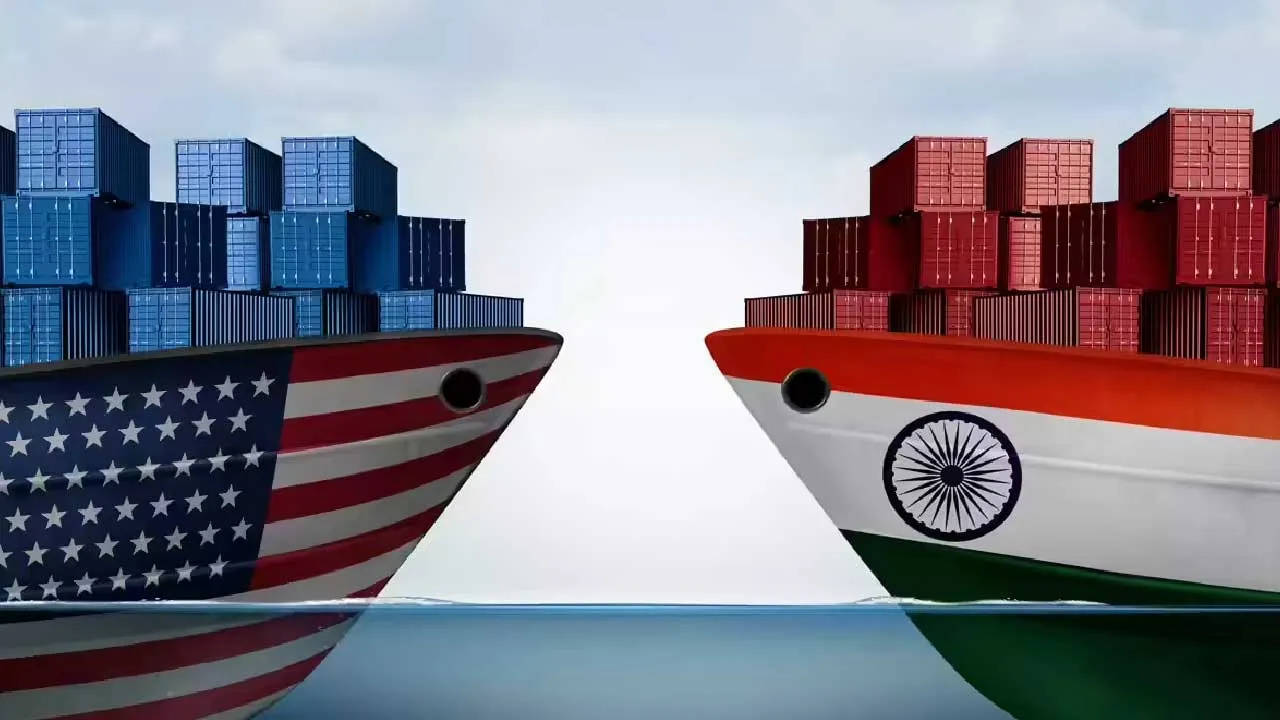
As a result, Indian exporters suffered heavy losses. Many sectors lost market share in the US, export orders declined, and company profits came under pressure. However, the recent tariff rollback is expected to provide major relief and revive export momentum.
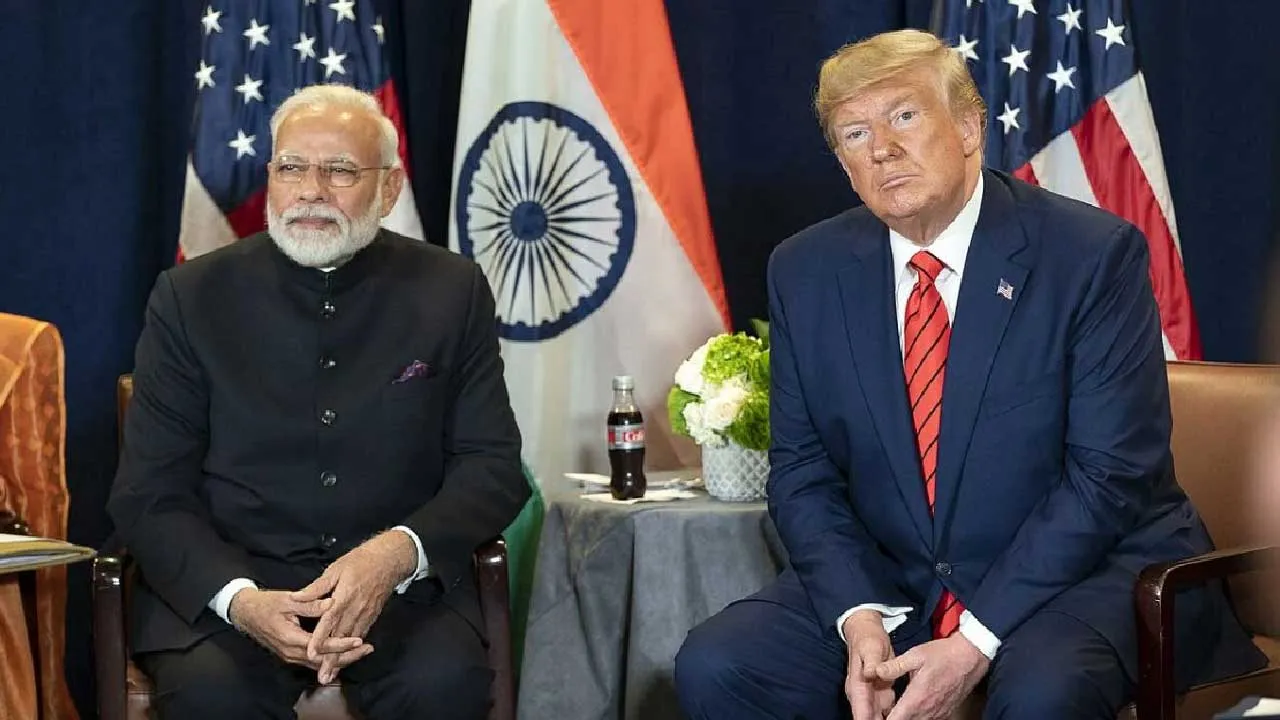
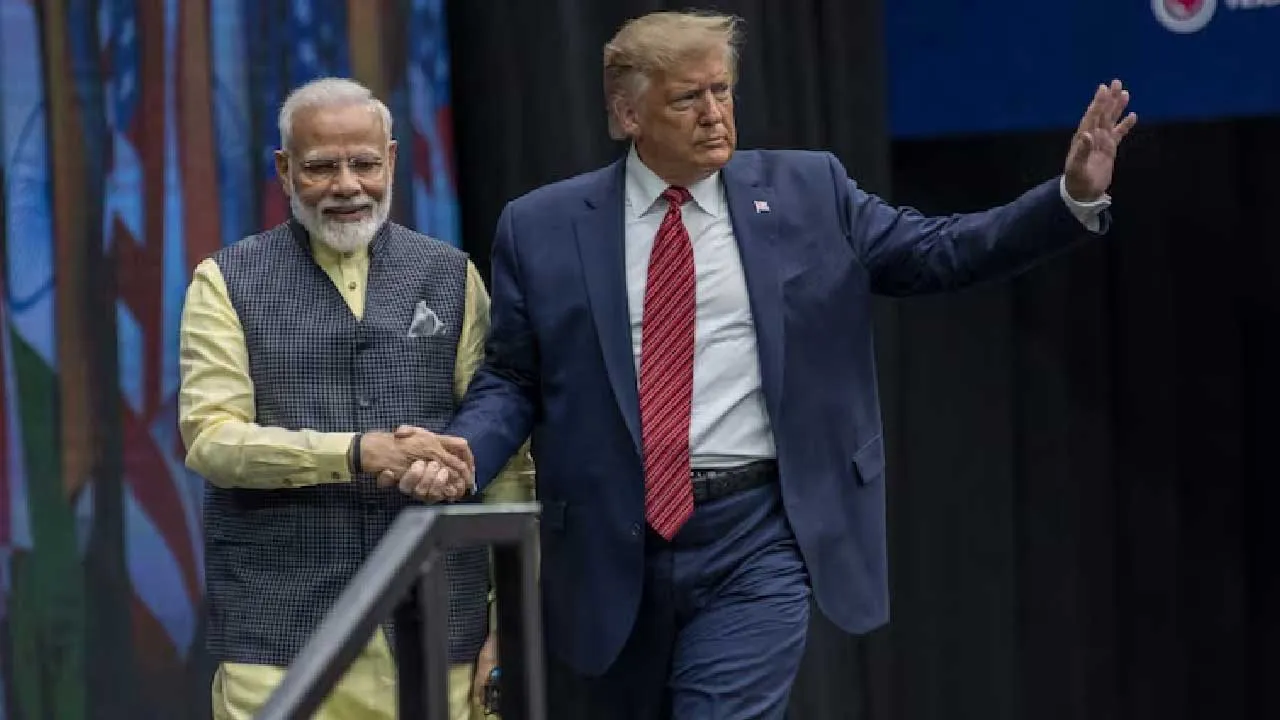
US President Donald Trump stated on Truth Social that the concession was granted at the request of Prime Minister Narendra Modi. India, in return, has committed to reducing tariffs and non-tariff barriers on American goods and increasing purchases of US energy, technology, and other products. This move is expected to further strengthen economic ties between the two countries.
Sectors Expected to Benefit the Most
Textiles and Apparel (Textiles and ready-made garments)
The textile and apparel sector is expected to be the biggest beneficiary. India exports a large volume of garments and textiles to the US. Earlier, high tariffs made Indian products expensive, forcing US buyers to shift to alternative sourcing countries. With tariffs reduced to 18 %, Indian textiles will become more competitive, leading to higher orders and improved profit margins.
Shares of companies such as Vardhman Textiles rose by more than 10 % following the announcement.
Chemicals
The chemical sector is also likely to see strong gains. India exports a wide range of chemical products to the US, and lower tariffs will enhance price competitiveness. This is expected to lead to higher exports and better order visibility. Major companies such as UPL, SRF, and Jubilant Ingrevia benefited, with their shares rising 5–7 % on Tuesday.
Seafood
Seafood exports, including shrimp and fish, form a significant part of India–US trade. The US is one of the largest markets for Indian seafood products. Lower tariffs will make these products cheaper, boosting demand and export volumes.
Auto Ancillaries and Engineering Goods
Auto component manufacturers and engineering goods exporters are also expected to benefit. High tariffs earlier had squeezed margins and reduced competitiveness. With tariff relief, companies will see improved margins and better order visibility.
Bharat Forge shares gained around 7 %, while Ramkrishna Forgings surged up to 10 % during Tuesday’s trading session.
Gems and Jewellery
Exports of diamonds and gold jewellery are expected to rise as well. India is a global leader in diamond cutting and jewellery exports. Reduced tariffs will help Indian exporters regain lost market share in the US.
Consumer Exports
Consumer-focused export companies are also set to gain. LT Foods earns nearly 39 % of its total revenue from the US, making it its largest market. Lower tariffs will reduce prices of products such as basmati rice and ready-to-eat foods, leading to higher sales and improved margins.
Tata Consumer Products derives around 12 % of its revenue from the US through exports of tea, coffee, salt, and spices. Increased competitiveness is expected to boost demand.
KRBL, another major basmati rice exporter, earns about 10 % of its revenue from the US. The company had suffered due to high tariffs, but the recent reduction is expected to ease export pressures and
strengthen its position.
In addition, labour-intensive sectors with high employment potential are also expected to benefit from the tariff rollback.
Market Reaction
The Indian stock market reacted positively to the announcement. Nifty futures moved higher, the rupee strengthened, and shares of several export-oriented companies surged between 5 and 18 %. Investors viewed the development as a major positive, as it removes uncertainty and improves export prospects.
However, not all sectors have received complete relief. Products such as steel, aluminium, automobiles, timber, and copper remain subject to Section 232 tariffs of 25 % or more. Despite this, the overall deal is being seen as highly beneficial for India.
With exports expected to rise, employment opportunities to expand, and corporate profits to improve, the Indian economy is likely to gain fresh momentum. At the same time, the US will benefit from increased trade engagement with India.
About The Author



.jpg)

1.jpg)


.jpg)





5.jpg)



.jpg)