

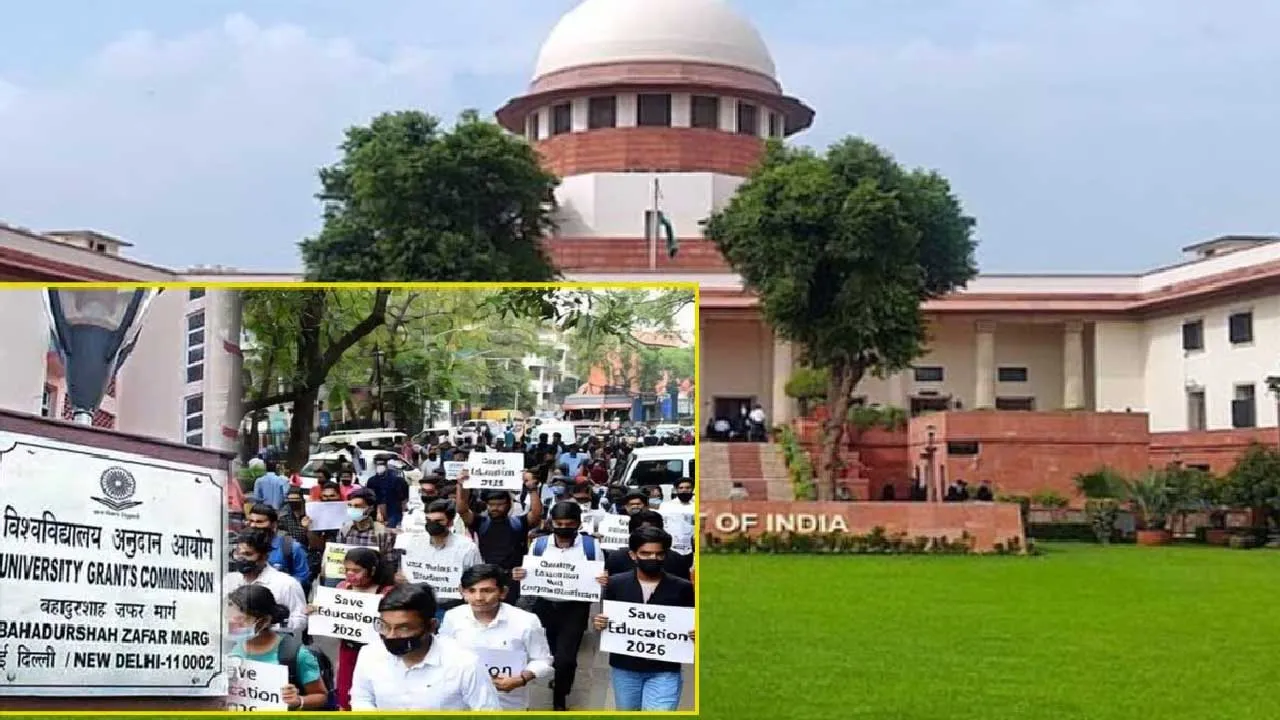
The Supreme Court on Thursday stayed the University Grants Commission (UGC) Promotion of Equality in Higher Education Institutions, 2026 regulations and restored the 2012 regulations for the time being.
The court said that the 2026 rules are vague, especially in how they define caste-based discrimination, and warned that they could be misused. Because of this stay, universities and colleges across the country will continue to follow the 2012 UGC regulations until the case on the 2026 rules is finally decided.
What was in the 2012 Regulations?
The 2012 regulations were UGC’s first formal effort to deal with discrimination in higher education. They prohibited discrimination based on caste, religion, gender, disability, language, and place of birth.
Institutions were required to appoint an Anti-Discrimination Officer and set up an Equal Opportunity Cell. Complaints were handled within the institution. An official would conduct a preliminary inquiry and recommend action under existing university or service rules.
However, there were no strict timelines, no external monitoring, and no penalties if institutions failed to act. The rules also did not clearly define false or malicious complaints, and they did not provide clear safeguards for the accused.
What did the 2026 Regulations change?
The 2026 regulations made the system much stricter and larger in scope. Protection against caste-based discrimination was extended to Scheduled Castes (SC), Scheduled Tribes (ST), and Other Backward Classes (OBC).
Universities were required to set up Equal Opportunity Centers, Equality Committees, Equality Teams, Equality Ambassadors, a 24x7 helpline, and an online complaint portal.
Strict timelines were introduced. Committees had to meet within 24 hours of receiving a complaint, submit reports within 15 working days, and institutions had to take action within seven days. Failure to comply could lead to serious consequences, including loss of UGC funding, degree-granting powers, and accreditation.
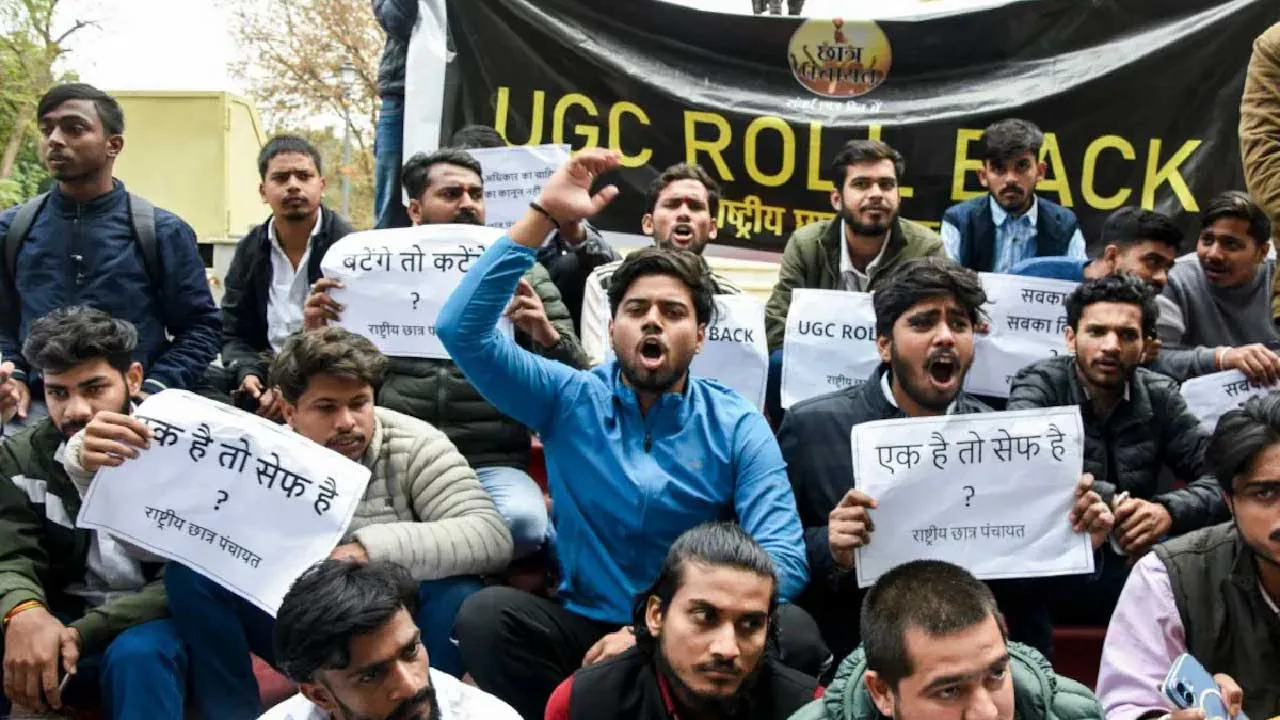
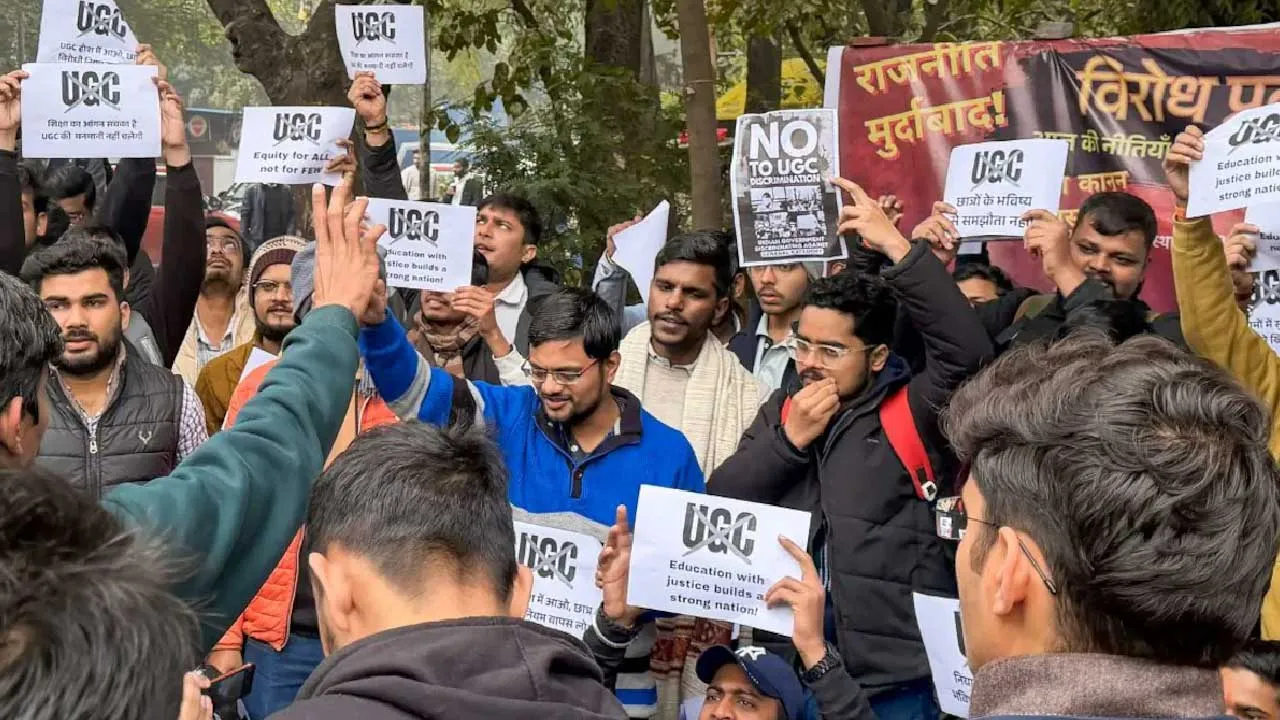
Critics said the rules used broad definitions, gave wide powers to internal committees, and did not include enough safeguards against false or malicious complaints.
Why did the Supreme Court intervene?
The Supreme Court said there was a prima facie (at first look) concern that the 2026 regulations, especially Regulation 3(c), were vague and open to misuse.
The court ordered that the 2012 regulations will remain in force until further orders. Notices were issued to the central government and the UGC.
Advocate Vishnu Shankar Jain said the Supreme Court has stayed and suspended the 2026 regulations and restored the 2012 rules until further orders. The next hearing is scheduled for March 19.
Petitioner and advocate Vineet Jindal said that Section 3C of the new rules covers only certain castes and excludes the general category, which gives the impression that the general category is being targeted.
He also said the new rules could create divisions among students, which goes against the constitutional principle of equality. He added that the Chief Justice of India has acknowledged flaws in the rules and said they should be reconsidered and reviewed.
About The Author


.jpg)

1.jpg)


.jpg)





5.jpg)

4.jpg)

.jpg)

1.jpg)