

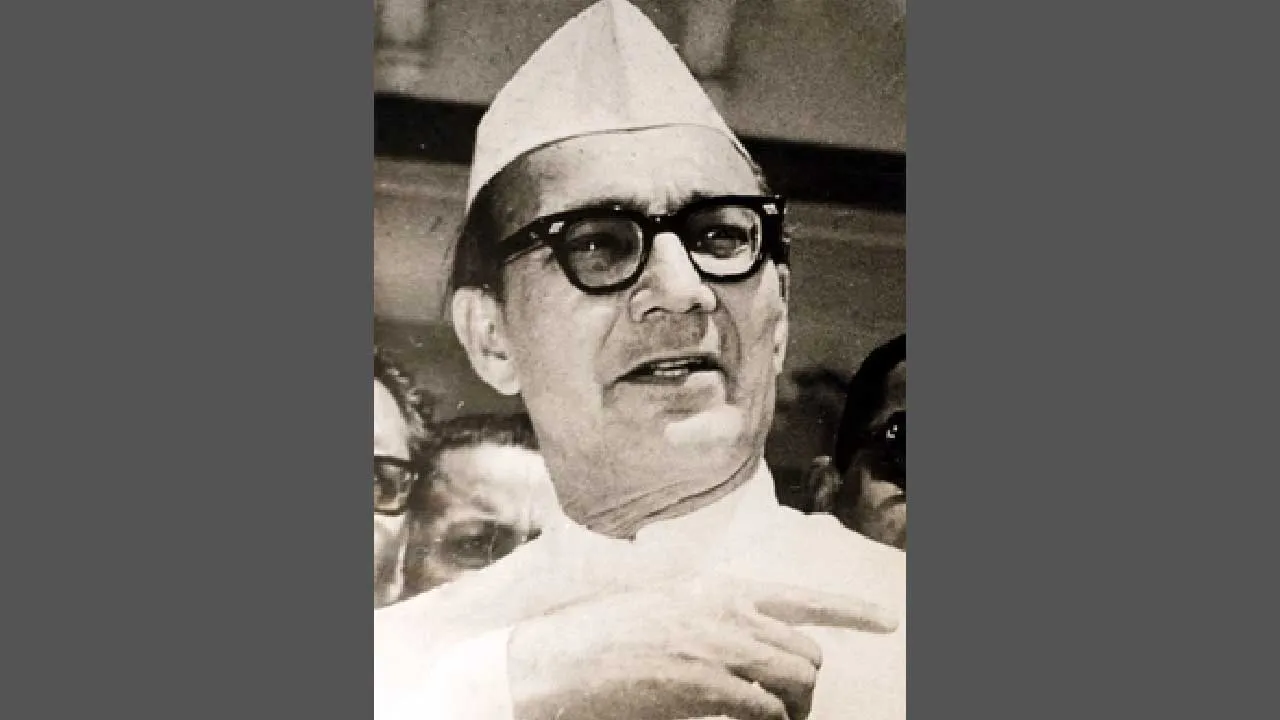
Ahmedabad: Hitendra Desai’s tenure as Chief Minister from September 20, 1965, to May 12, 1971, was a critical period in Gujarat’s history. It was marked by war, factionalism, and economic challenges. Born on August 9, 1915, in Surat, Desai was a lawyer and freedom fighter. His organizational prowess made him a Congress stalwart of Gujarat. His leadership stabilized Gujarat during a time of national and regional upheaval.
Desai’s early life was shaped by the independence movement.He worked alongside Mahatma Gandhi and Sardar Patel. Before 1960, he served in Bombay’s government. He later joined Jivraj Mehta’s cabinet as Education Minister. His ascent to Chief Ministership in 1965 came after Balwantrai Mehta’s sudden death, positioning him to lead Gujarat through the 1965 war and its aftermath.
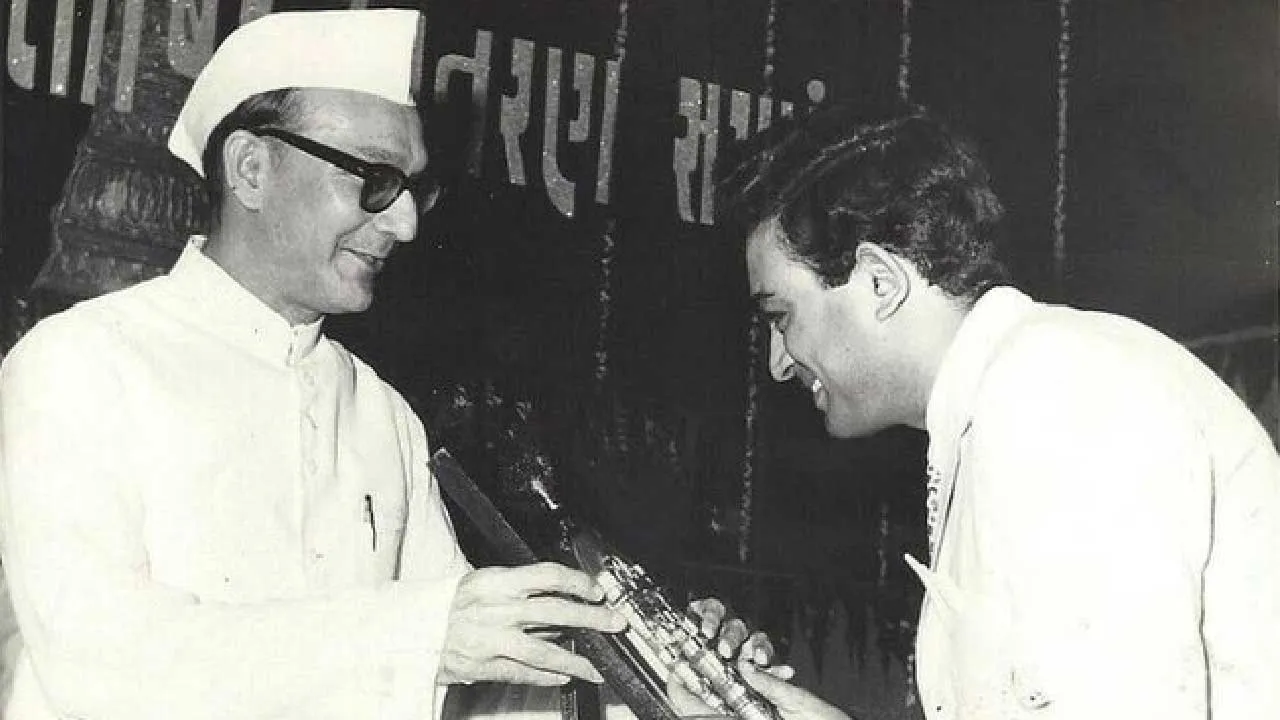
Desai’s first and foremost contribution was guiding Gujarat through the 1965 Indo-Pak War. State’s proximity to Pakistan was a major concern.He coordinated with the central government to secure borders and support affected communities. Post-war, his administration focused on fast economic recovery by promoting industrial growth in cities like Ahmedabad and Surat, while sustaining rural development initiatives.
As a former Education Minister, Desai focussed on schooling and vocational training.He expanded education in urban and rural areas. His government also gave priority to social inequalities, supporting policies for Scheduled Castes and Tribes. These efforts aligned with Congress’s national agenda.It reinforced Gujarat’s role in India’s development narrative.
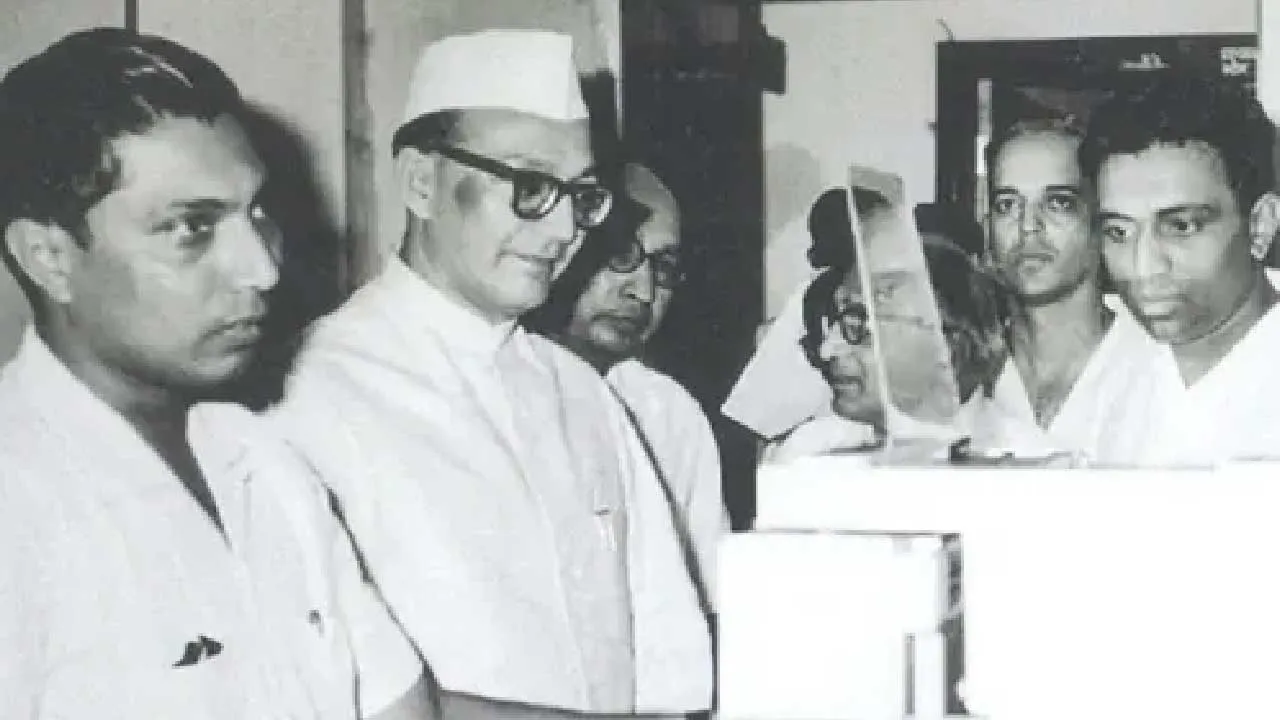
Desai’s tenure faced a turning point with the 1967 Congress split into Congress (O) and Congress (R). While leading the Congress (O) faction in Gujarat, he lost the 1967 elections to the Swatantra Party but briefly returned in 1971. Internal factionalism and the rise of Indira Gandhi’s Congress (R) forced his resignation in 1971. It marked the end of his influence.
Hitendra Desai’s main contribution was maintaining stability during turbulent years. His death on September 12, 1993, closed a chapter of Congress dominance in Gujarat.
About The Author




.jpg)

1.jpg)
.jpg)


5.jpg)



.jpg)