


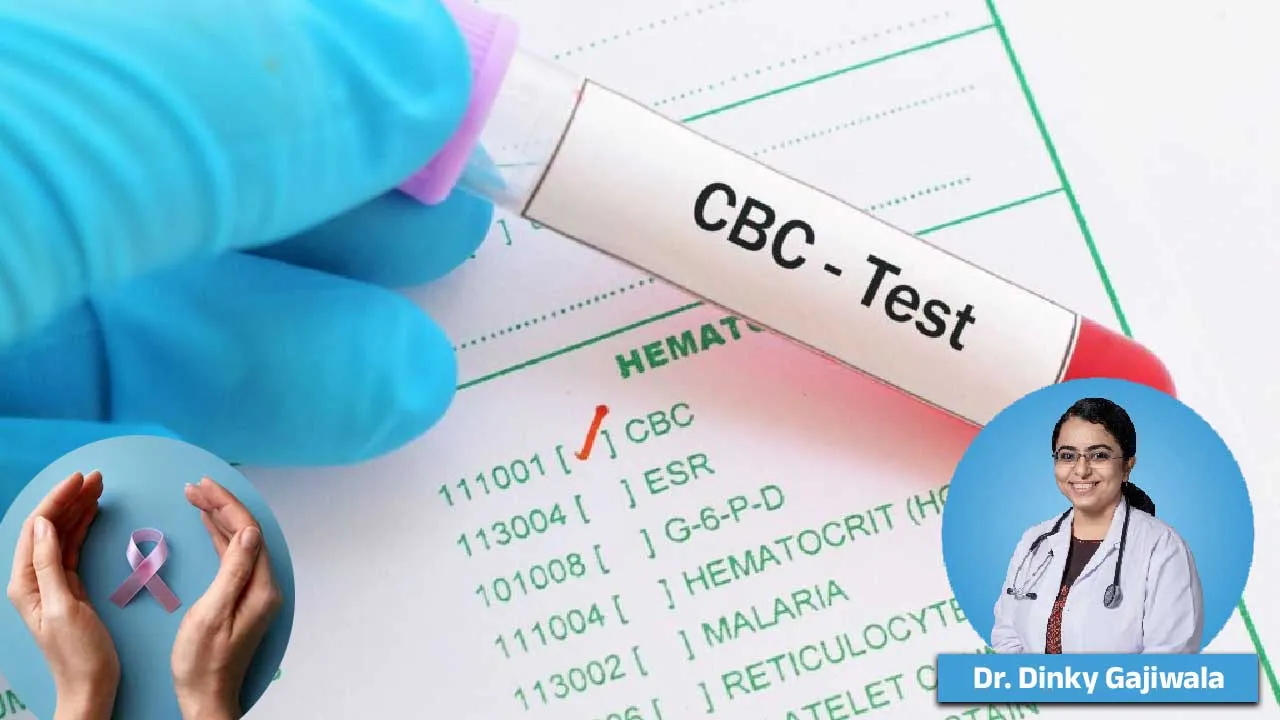
Many people get worried after seeing certain details in their CBC (Complete Blood Count) report received during a routine health checkup. Especially when WBCs are high, hemoglobin is low, or platelets have decreased, a question immediately arises in mind—is this a sign of blood cancer?
The answer is... No. A CBC test can give an initial warning that something abnormal is happening in the body, but blood cancer cannot be confirmed solely based on CBC numbers. Changes in blood counts can also be caused by infections, nutritional deficiencies, certain medications, other illnesses, or bone marrow-related issues.
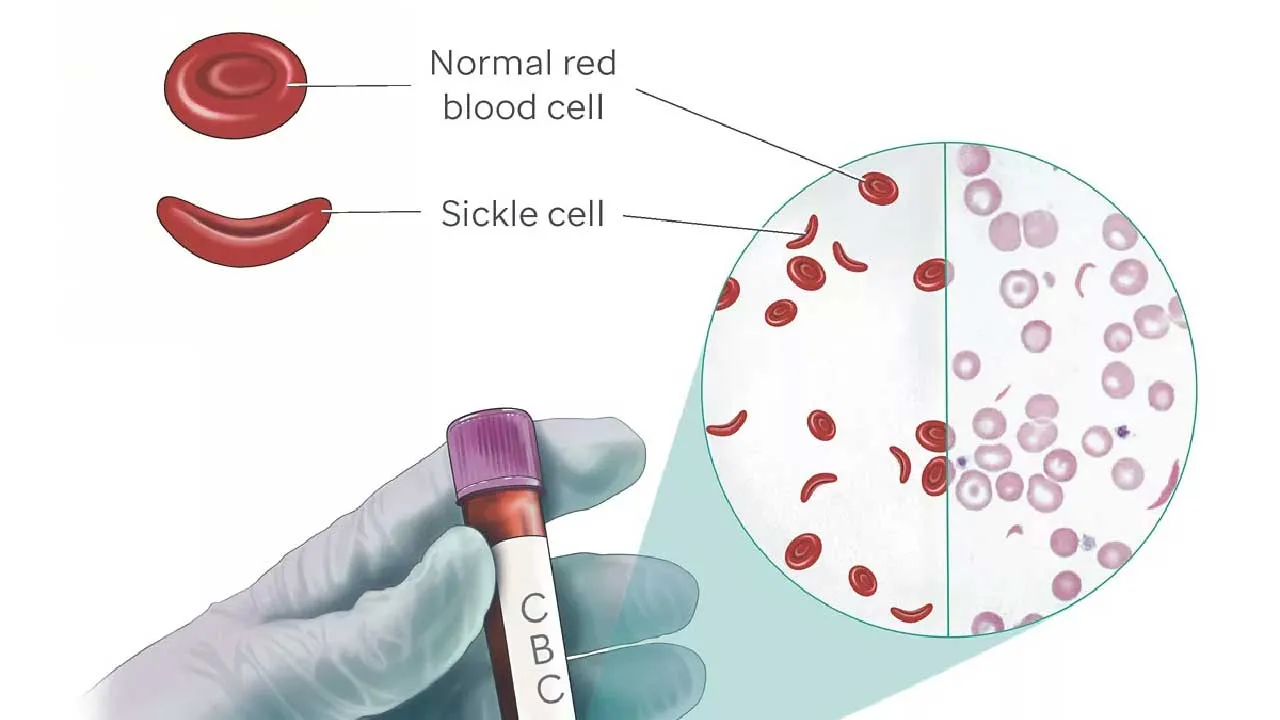
What is Tested in a CBC Test?
CBC stands for Complete Blood Count. This test provides information about the three main types of blood cells:
Red Blood Cells (RBC) – Help carry oxygen to various parts of the body.
White Blood Cells (WBC) – Play an important role in fighting infections.
Platelets – Help in the blood clotting process.
In addition to these, hemoglobin, hematocrit, and certain parameters of red blood cells are also examined in a CBC. However, the normal range may vary slightly depending on each lab, age, and other factors. Therefore, just because a number in the report is outside the reference range, it is not correct to directly assume it is cancer.
When Can a CBC Raise Suspicion Regarding Blood Cancer?
A doctor's concern usually increases when the change in blood count is significant, persistent, or unexplained, especially when abnormalities are observed in more than one type of blood cell simultaneously. However, the important point here as well is that such abnormalities do not occur solely in cancer.
Ultimately, a CBC alone generally cannot determine whether a person definitely has cancer or not.
Do Not Panic If the CBC Report is Abnormal
When any value comes out abnormal in a CBC, it is not right to panic immediately by assuming it is cancer.
However, if the changes are significant, repeatedly seen, or accompanied by symptoms like unusual fatigue, frequent infections, unexplained bruising/rashes on the body, or abnormal bleeding, it is necessary to consult a doctor. It is extremely important to show the CBC report to a doctor rather than trying to interpret it based on Google or ChatGPT.
About The Author



.jpg)

1.jpg)


.jpg)





5.jpg)



.jpg)