

1.jpg)
The liquor prohibition law has been in force in our Gujarat for over six decades. This policy was adopted based on the ideals and social ideology of Mahatma Gandhi. This system, which has become an important part of Gujarat's cultural identity, remains legally in force today, yet the reality is somewhat different. Despite prohibition, liquor is easily available in the state. This contradictory situation has become a problem for both the government and society.
Looking back at history, this policy, which began with the Bombay Prohibition Act of 1949, became even stricter in the years following independence. Its original objective was to protect society from the ill effects of alcohol addiction. The goal was to maintain health, family stability, and moral values. However, over time, the equation of demand and supply changed. Because neighboring states have government liquor shops, bootlegging across borders became easy. The state's geographical situation—a long coastline and borders with other states—makes liquor smuggling even easier. As a result, a massive network of illegal alcohol sales developed, leading to an increase in fake and toxic liquor as well.
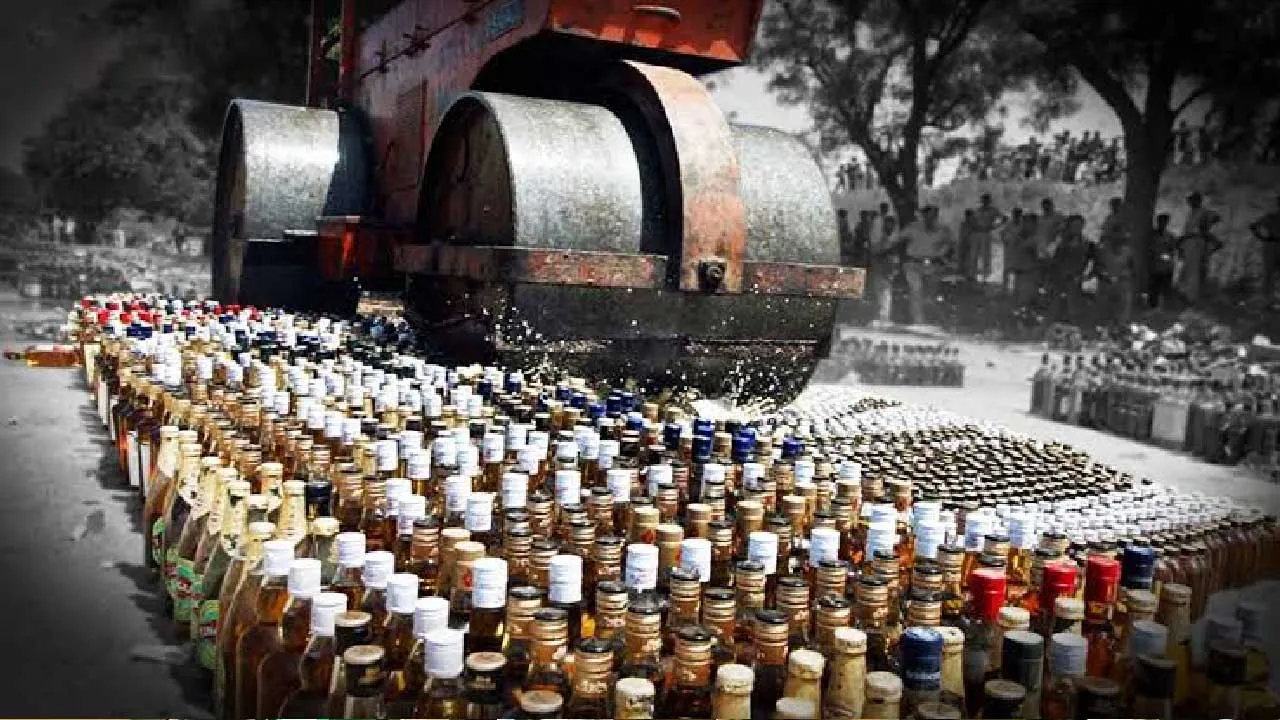
Over time, cases of spurious liquor and hooch tragedies keep surfacing. These incidents are not merely limited to statistics; they symbolize the agony of families, social unrest, and administrative failure. Despite strict prohibition laws, there are loopholes in implementation. Pressure on the police and administration increases, but demand persists, and as long as there is demand, supply finds a way to reach people. Allegations of corruption also surface repeatedly in this regard, raising numerous questions about the government and the enforcement machinery.
Another aspect of this situation in Gujarat is economic. Due to the ban on legal sales, the state is deprived of substantial excise revenue, and the black market takes its place. On the other hand, there is an argument that the health and cultural values of citizens are more important than revenue. Both perspectives carry logic, but the reality is that the current system is proving damaging in every way.
Questions also arise at the social level. Despite the ban on the sale and consumption of alcohol, demand among youth and the middle class is not decreasing. Liquor is consumed and sold without any control over quality or pricing. Economic loss, debt, and health issues are increasing in some families, while a section of society advocates lifting prohibition. All of this combines to create a situation where the gap between government bans and practical reality continues to widen.
The government's dilemma is understandable. Removing prohibition is not easy because it is tied to the state's historical and political identity. Lifting it could spark protests, while maintaining it exposes implementation failure. Since complete implementation has not been possible even after six decades, the question arises: Is prohibition practical?
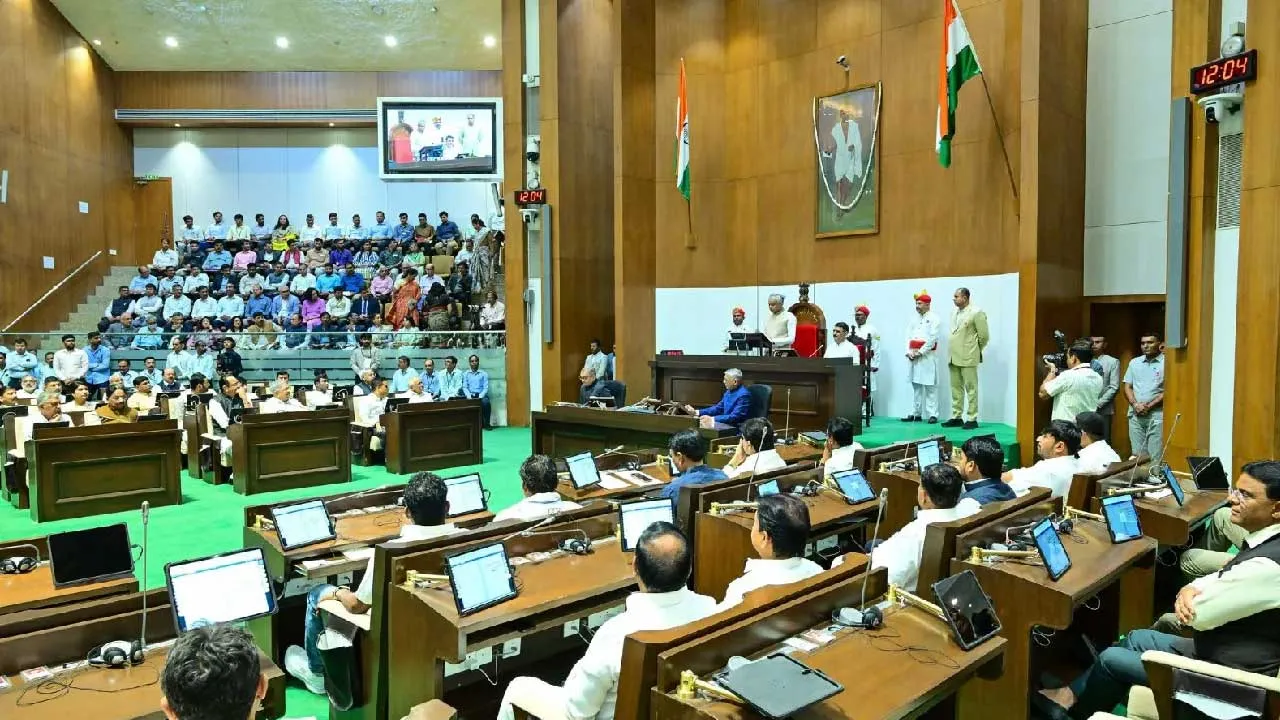
Various opinions exist. Some believe that restriction is necessary to preserve values and traditions. Others say that individual freedom and practical regulation are more important. There is consistency in the arguments of both sides. The key point is that a solution to this problem cannot come solely from legal strictness or complete freedom, but from a balance between societal demand and health care.
Reflecting on this topic makes it clear that prohibition in Gujarat has become a complex social experiment. Its success or failure does not depend on the government alone; public participation, awareness, and a practical approach are also necessary. When the issue remains unresolved even after six decades of experience, there is a need to think: Is the current status quo appropriate, or do new options need to be explored? There is no easy solution, but progress can be made through neutral discussion and realistic evaluation. This plight belongs not only to the government but to society as a whole, and its solution is possible only through collective thought.
About The Author


.jpg)
1.jpg)

.jpg)


5.jpg)


.jpg)