


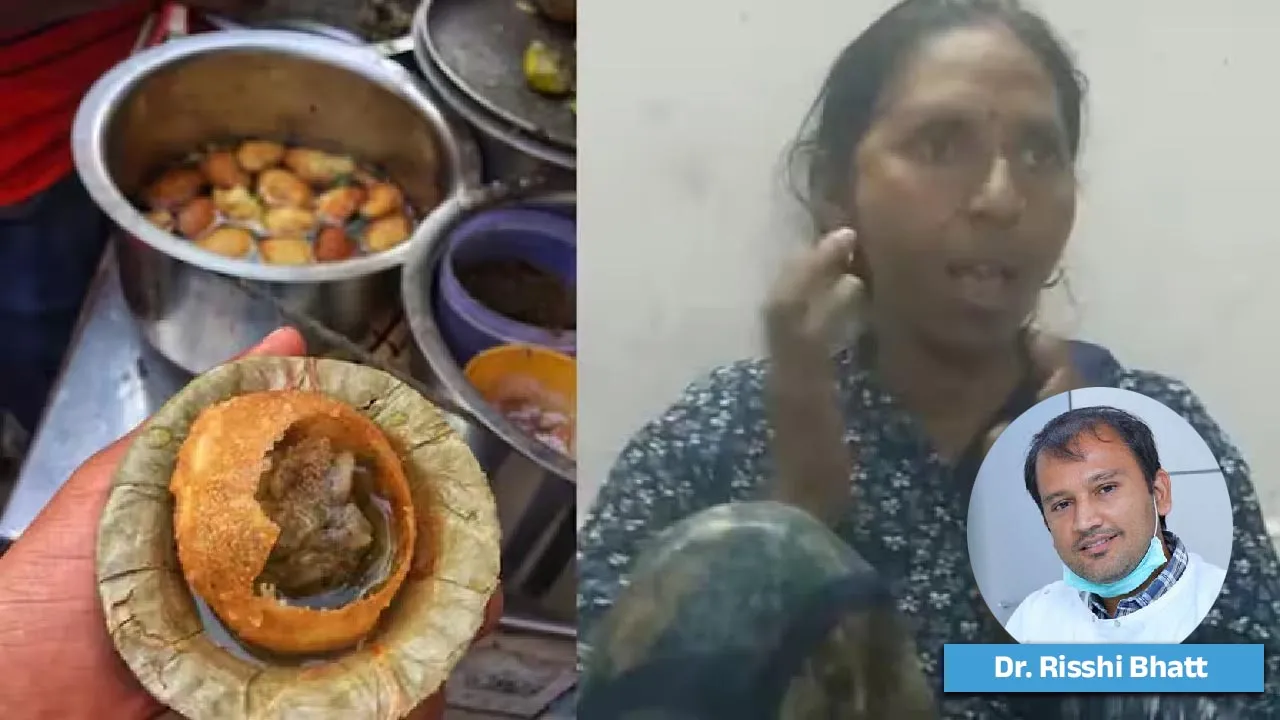
Surat: According to the report, a woman in Utter Pradesh opened her mouth very wide while trying to eat a large golgappa in one bite. This sudden, excessive mouth opening can cause the mandibular condyle to slip out of ( glenoid fossa )its normal position in the temporomandibular joint (TMJ) — resulting in a jaw dislocation.
Jaw dislocation is a well-known emergency in maxillofacial practice, especially when the mouth is forced open beyond its natural limit.
Probable Medical Causes
1. Excessive mouth opening
Trying to fit a large golgappa can push the mandible forward and down, displacing the condyle out of the socket.
2. Weak TMJ ligament support
Some individuals naturally have looser joints (hypermobility) or weaker supportive ligaments, increasing dislocation risk.
3. Sudden or forceful movement
Sudden yawning, laughing, biting, or eating can shock the joint.
4. Previous minor TMJ issues
If the patient had prior clicking, popping, or stiffness, the joint may already be vulnerable.
5. Muscle spasm
After dislocation, the masseter and pterygoid muscles often spasm, locking the jaw in the open position.
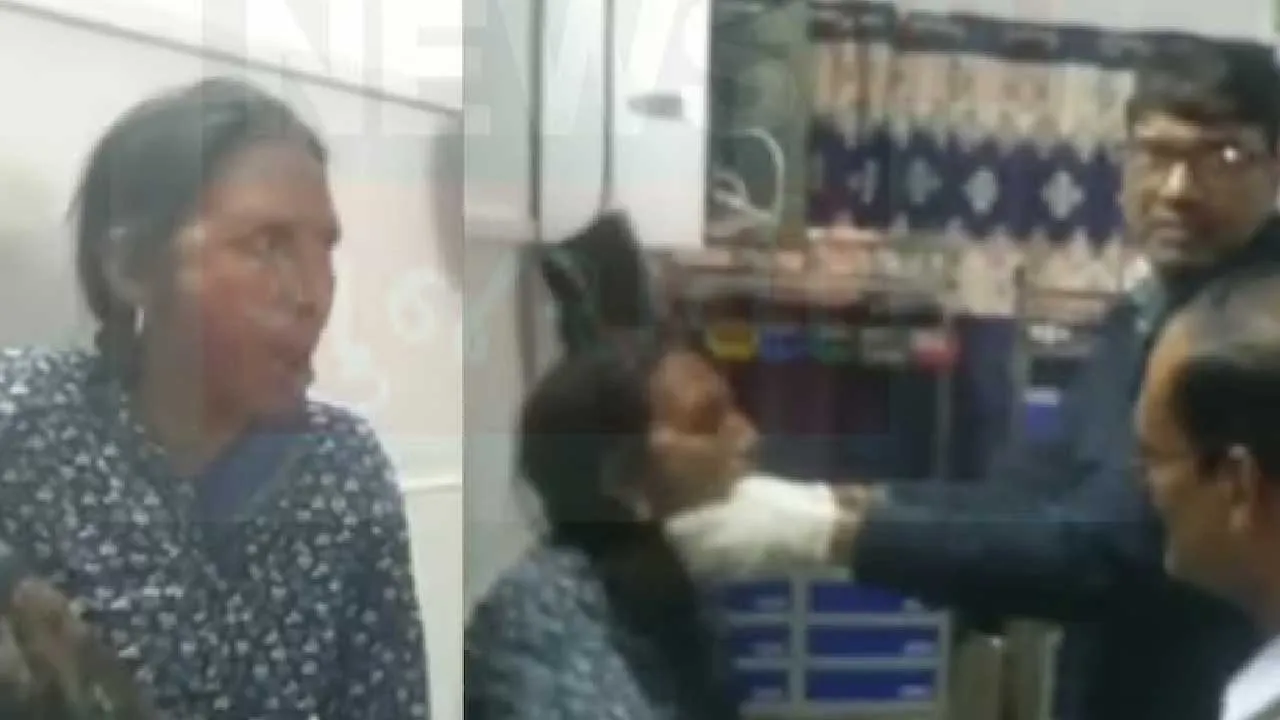
Symptoms That Indicate Jaw Dislocation
Mouth stuck open and unable to close
Severe pain near the ears
Difficulty speaking or swallowing
Drooling
Jaw shifted forward
Inability to bite or chew
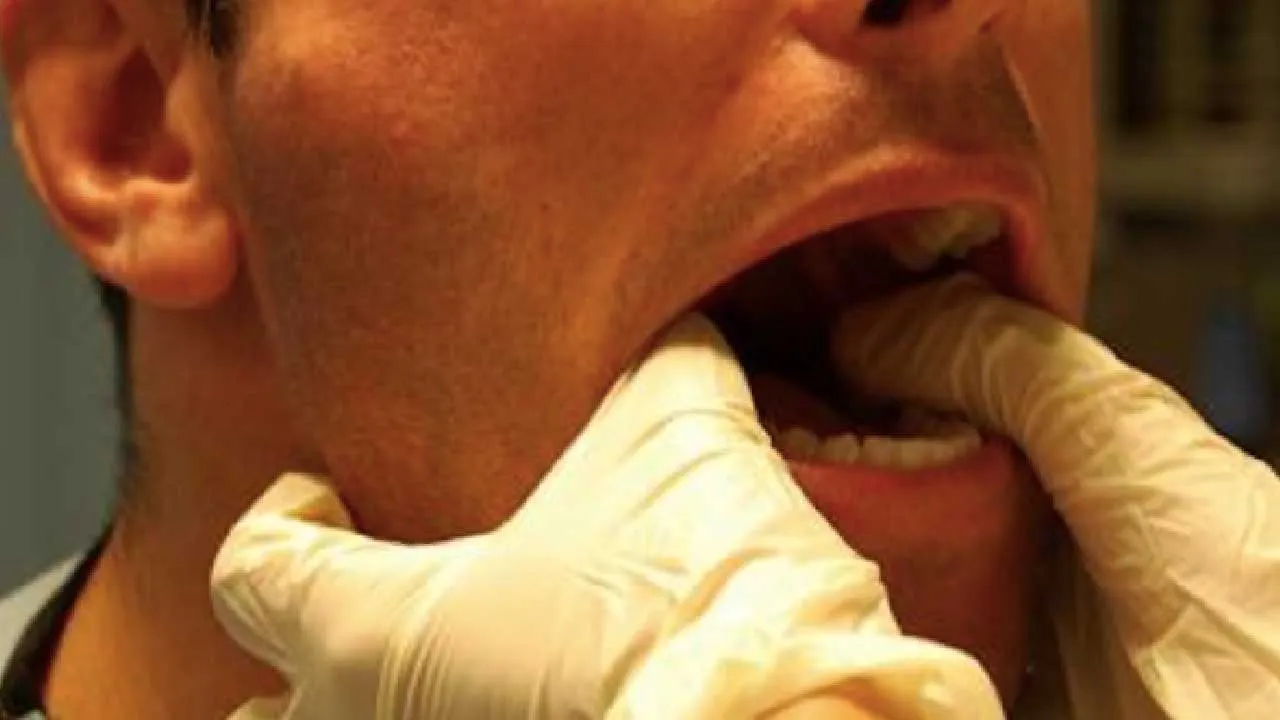
1. Immediate Care
Go to a dental/maxillofacial emergency department.
A trained maxillofacial surgeon performs manual reduction — gently guiding the jaw back into place, often under sedation or muscle relaxants.
Do NOT attempt to push the jaw back forcibly at home.
2. Post-Reduction Care
compression band around chin and TMJ area
Soft diet for 1–2 weeks
Avoid opening the mouth wide
Support the chin while yawning
Use warm compresses to relax muscles
Painkillers and muscle relaxants as prescribed
3. Prevention of Future Episodes
Avoid large bites (golgappa, burgers, rolls, sandwiches in one bite)
Cut food into smaller pieces
Avoid sudden wide yawning
Avoid chewing hard food
If TMJ is naturally loose, consider a stabilization appliance or physiotherapy exercises
Jaw dislocation from eating is uncommon but absolutely possible, especially when someone takes an oversized bite. As maxillofacial surgeons, we emphasize controlled mouth opening, small bites, and early treatment. Timely reduction prevents long-term TMJ damage, chronic pain, and repeated dislocations.
About The Author




.jpg)

1.jpg)

.jpg)




5.jpg)



.jpg)