


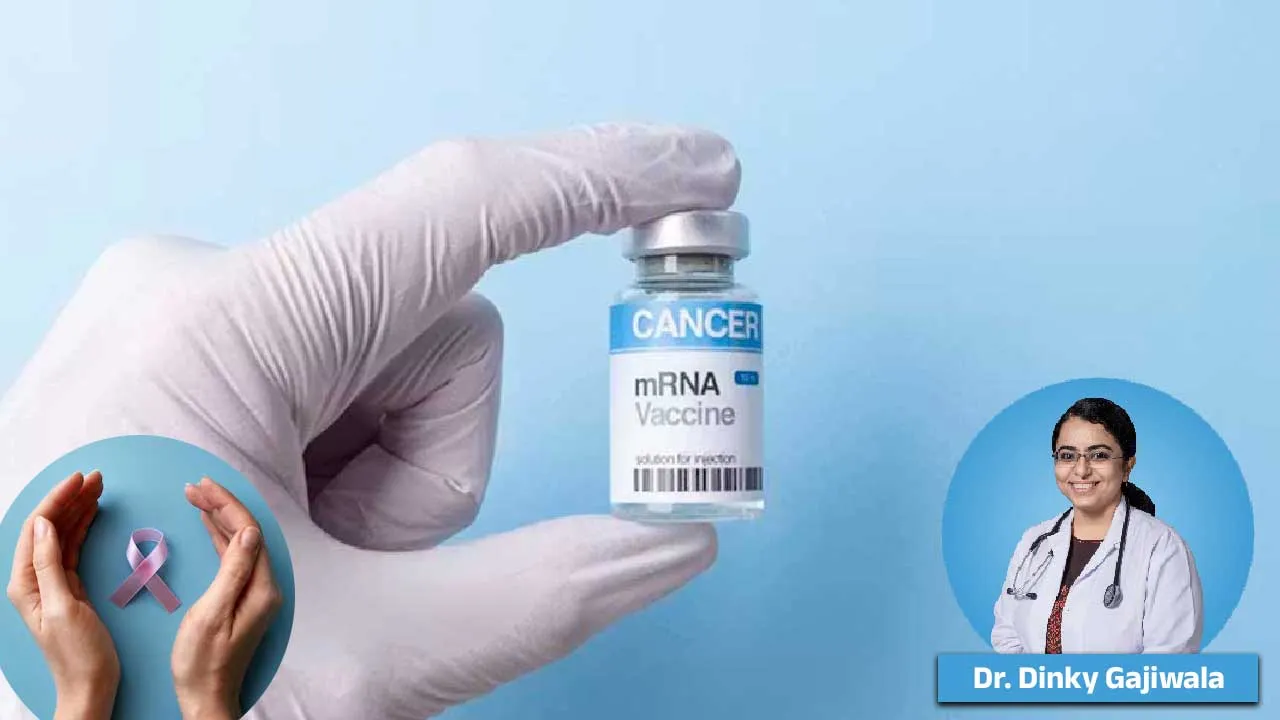
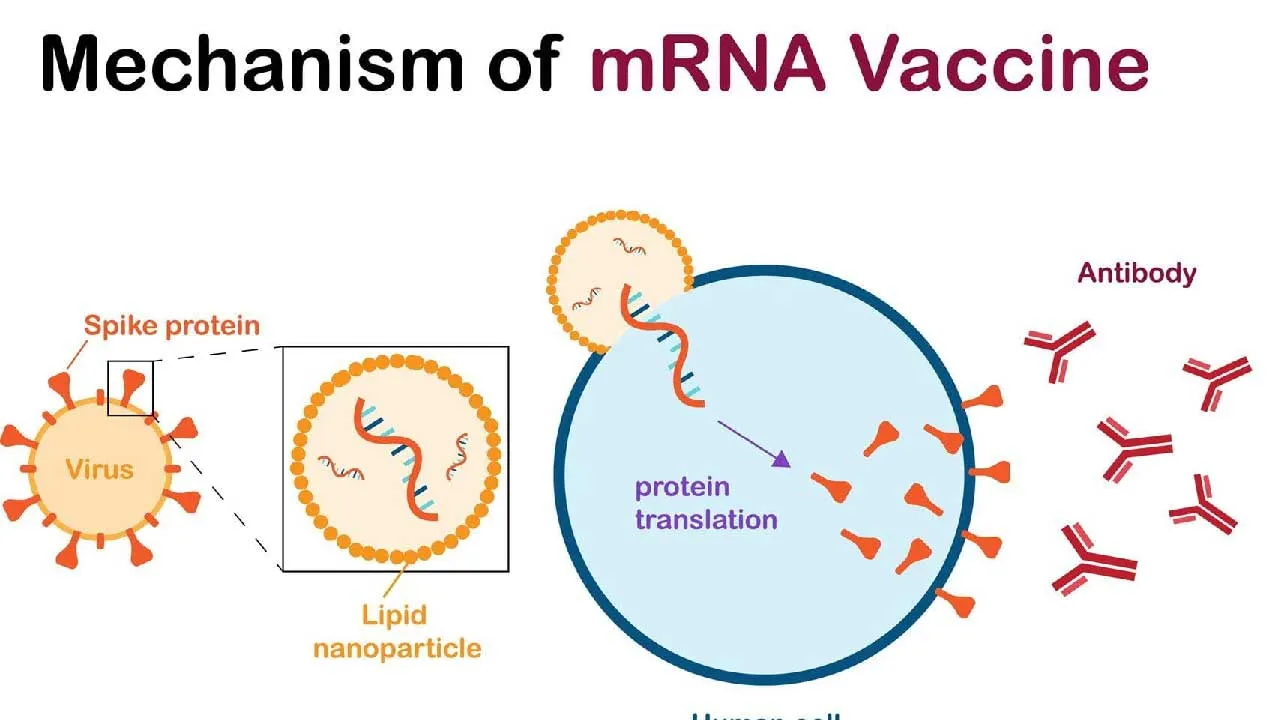
Cancer vaccines are a form of treatment that train the body’s immune system to identify and destroy cancer cells. mRNA vaccine technology sends a message (mRNA) into the body, which helps it produce proteins and prepares it to fight diseases. This technology proved successful during COVID-19 and is now being explored for cancer treatment.
In simple terms, just as a blueprint is created before building a house, our body has DNA, which acts as that blueprint. The information from this blueprint is delivered through a messenger called RNA. Based on this message, the body produces new cells. If we introduce a specific message into this system, the body starts working accordingly. In cancer, certain cells go out of control. mRNA technology helps the immune system recognize and fight these cells again, making it highly promising.

Why Can It Be Revolutionary?
mRNA vaccines can offer personalized treatment tailored to each patient. They directly prepare the body to fight cancer cells. In the future, they may even help prevent cancer before it develops. That is why this technology is considered a game-changer in medical science.
Why Does Misinformation Spread?
Despite its promise, misinformation about mRNA vaccines is spreading rapidly, creating fear and confusion among people.
New Subject, Old Fear
People naturally fear new medical technologies.
Role of Social Media
Platforms like WhatsApp, Facebook, and YouTube enable rapid spread of incomplete or misleading information.
Complexity of Science
Scientific concepts like mRNA are difficult to understand, making simplified misinformation seem believable.
Trust Deficit
Distrust in governments and pharmaceutical companies fuels doubts.
Profit-Driven Narratives
Some misinformation is spread intentionally for views, influence, or financial gain.
Cultural Beliefs
People often rely on word-of-mouth rather than verified sources.
Speed vs Science
Science takes time to validate facts, while misinformation spreads instantly.
Misinformation arises from fear, lack of knowledge, and rapid communication. The solution lies in spreading accurate and simple scientific information.
My advice to readers:
Verify if the source is an expert
Check for hidden motives
Ensure the information serves public interest
About The Author



.jpg)





5.jpg)

4.jpg)

3.jpg)
2.jpg)



.jpg)