

(Utkarsh Patel)
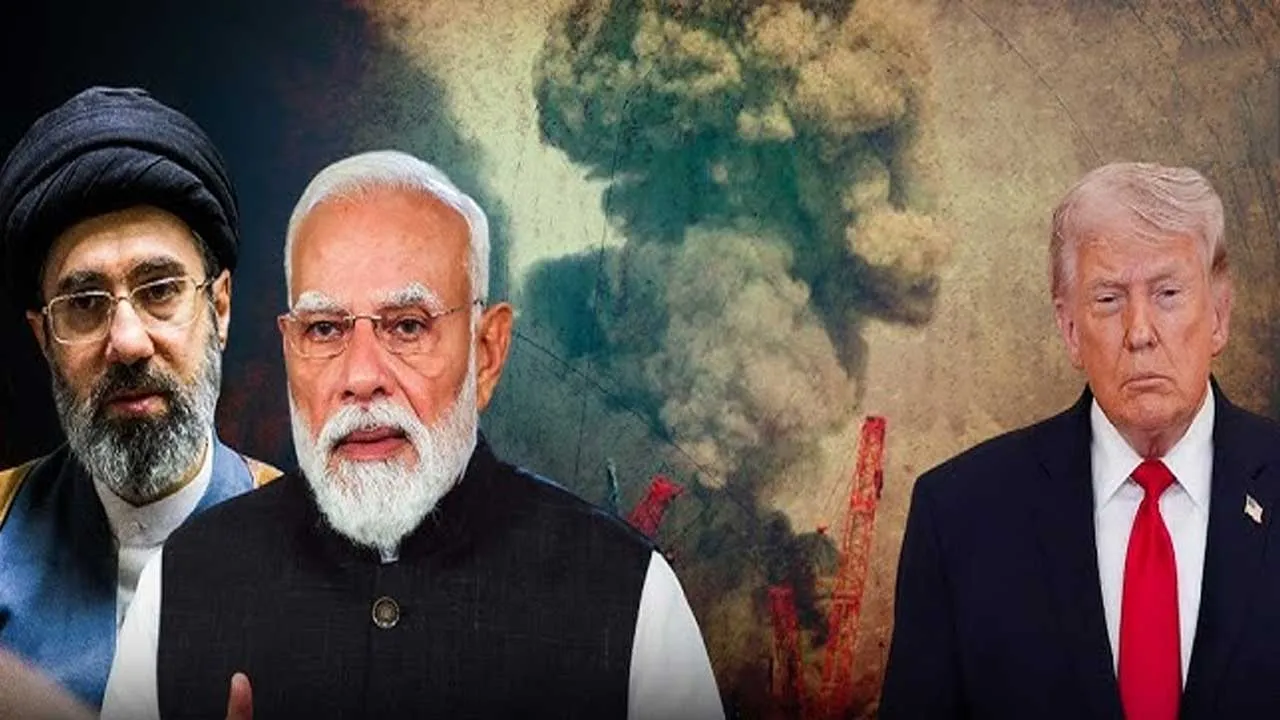
In the context of escalating tensions resembling a conflict between the United States and Iran, India’s decision not to assume an active mediatory role is both appropriate and pragmatic. This decision aligns with the core principles of India’s foreign policy and diplomacy, which prioritize national economic interests above all. In the current global environment, as India moves toward becoming a developed nation, it is wise to prioritize national interests rather than getting involved in the disputes of other countries.
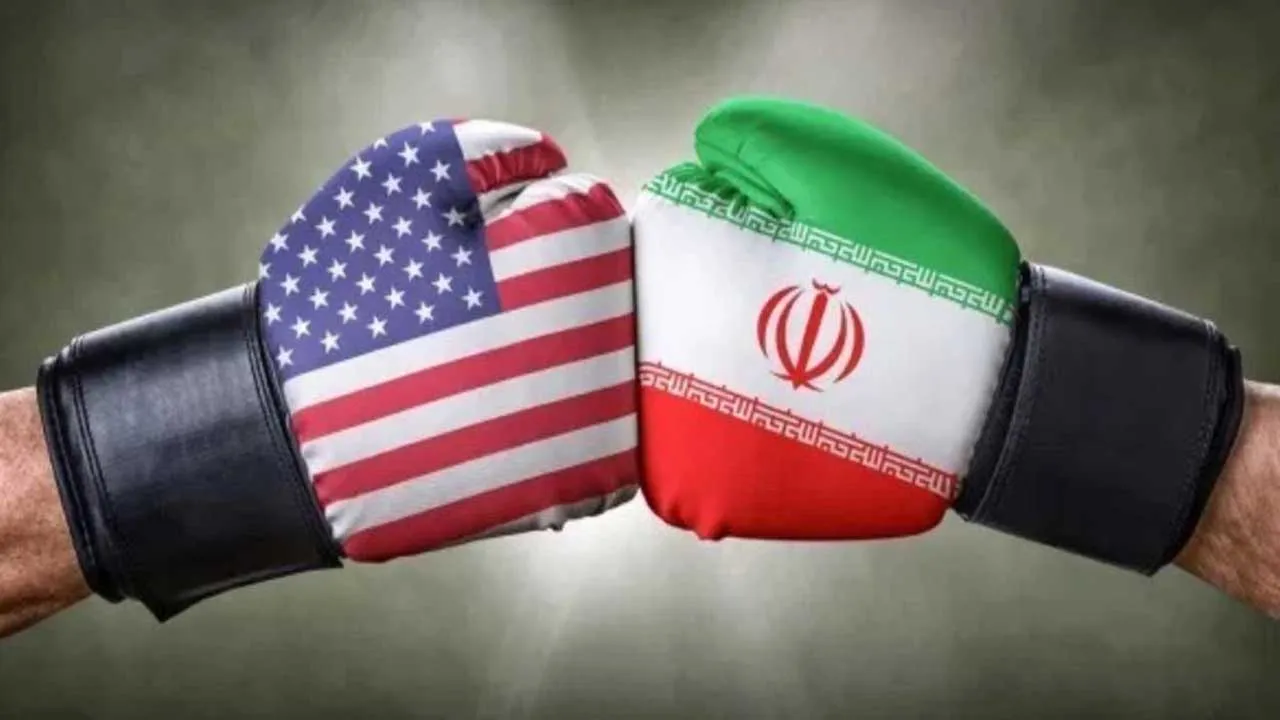
The foundation of India’s foreign policy lies in ‘strategic autonomy’ and ‘multi-alignment.’ Under this approach, India maintains balanced relations with all major powers without coming under the influence of any single nation. India’s ties with the United States have reached unprecedented levels, especially in trade, technology, and security sectors. According to 2025–26 data, bilateral trade exceeds $190 billion, with significant contributions from IT services, pharmaceuticals, and energy. On the other hand, India also maintains important energy-related ties with Iran. The Chabahar Port project provides India access to Central Asia and Afghanistan, facilitating trade and connectivity. Had India actively mediated in the U.S.-Iran conflict, it could have strained relations with both sides. By remaining neutral, India has safeguarded its economic and trade stability.
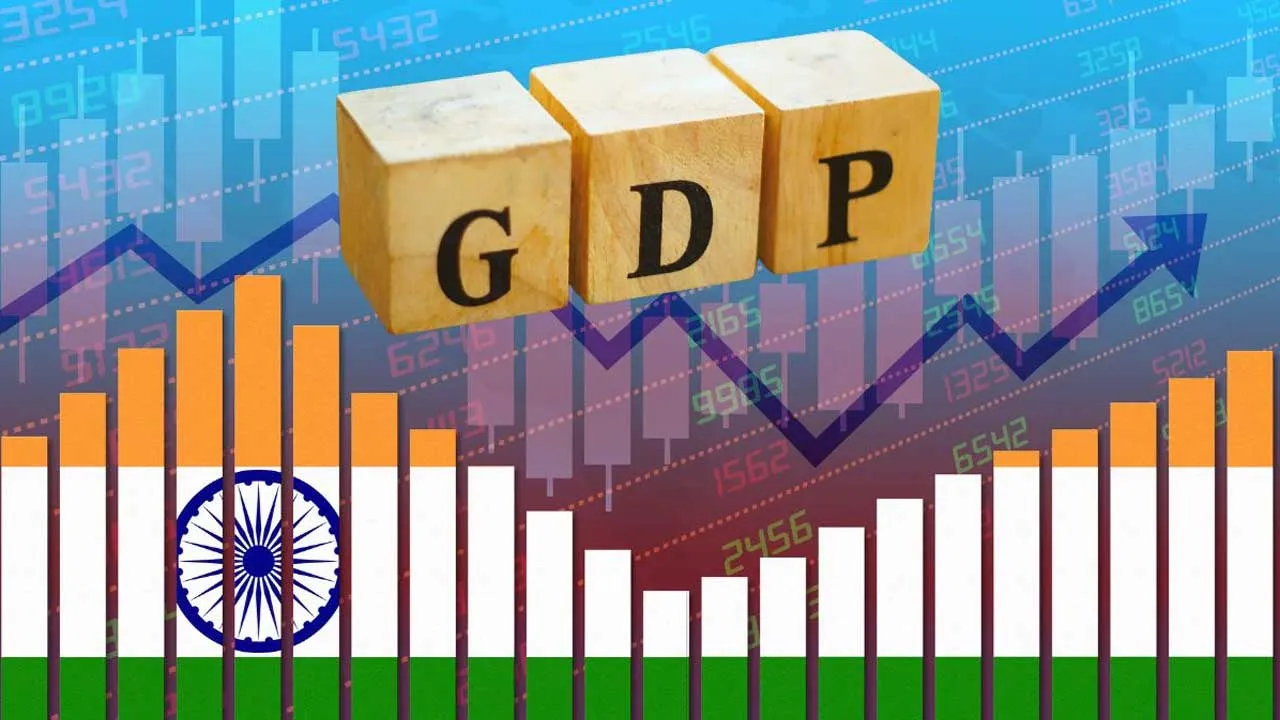
When a nation is progressing rapidly, getting entangled in foreign conflicts can be detrimental. Under the current government, India’s economy is moving swiftly toward becoming the world’s third-largest. GDP growth is above 7%, foreign direct investment (FDI) is increasing, and the manufacturing sector is strengthening through initiatives like ‘Make in India.’ In such a scenario, active involvement in geopolitical conflicts could disrupt economic goals. Taking sides could impact oil imports, leading to inflation and industrial losses. Therefore, prioritizing national interest is the right approach. This strategy also helped India remain neutral during the Russia-Ukraine crisis, benefiting from discounted oil imports.
Working towards global peace and humanity is an integral part of India’s national policy. In the long run, this approach will prove beneficial. By upholding the principle of ‘Vasudhaiva Kutumbakam,’ India advocated for developing nations at the G20. This policy has earned India global respect and opened new avenues for trade and investment. Actively contributing to global peace while not becoming a party to conflicts is the ideal balanced approach that will strengthen India economically.
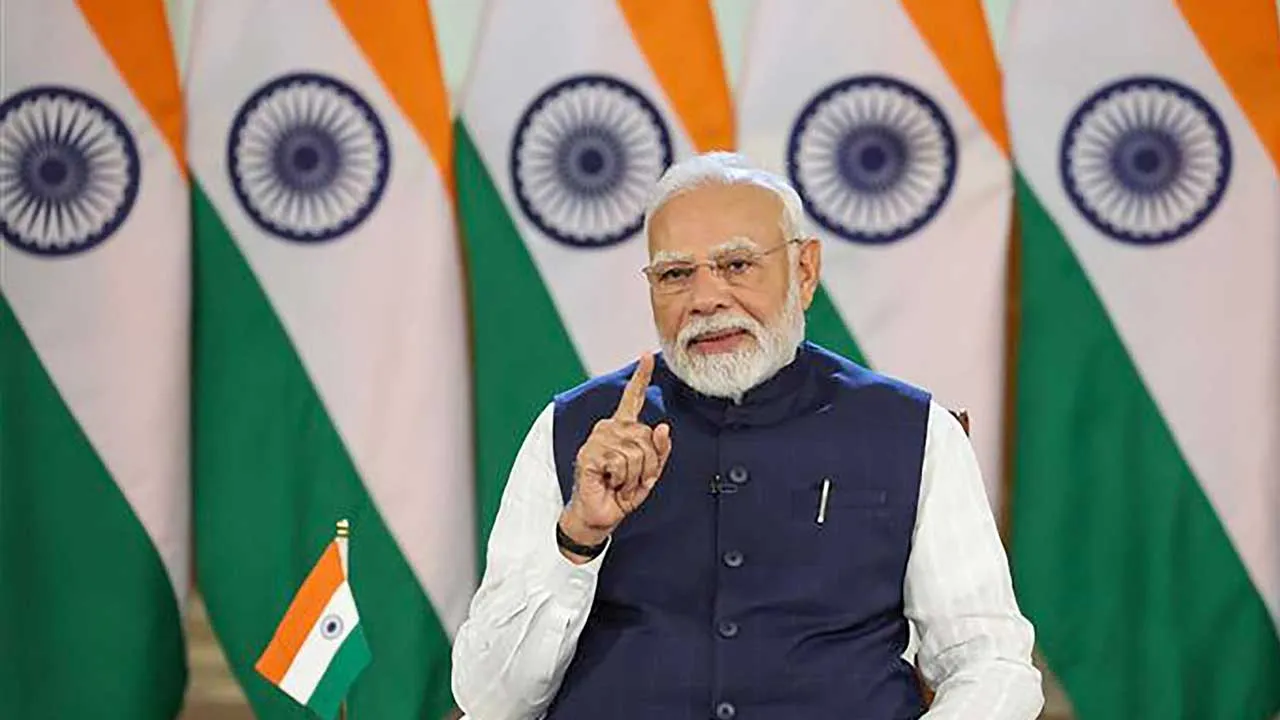
Notably, Prime Minister Narendra Modi’s global acceptance plays a key role in this equation. His personal rapport with world leaders has helped India secure a leading position in strategic forums such as QUAD, I2U2, and IMEC. Engagements with the U.S. have enhanced technology transfer and investments, while ties with Middle Eastern nations have created new opportunities in energy and logistics. This diplomacy ensures that India is not dependent on any one bloc but stands as an independent and strong global partner.
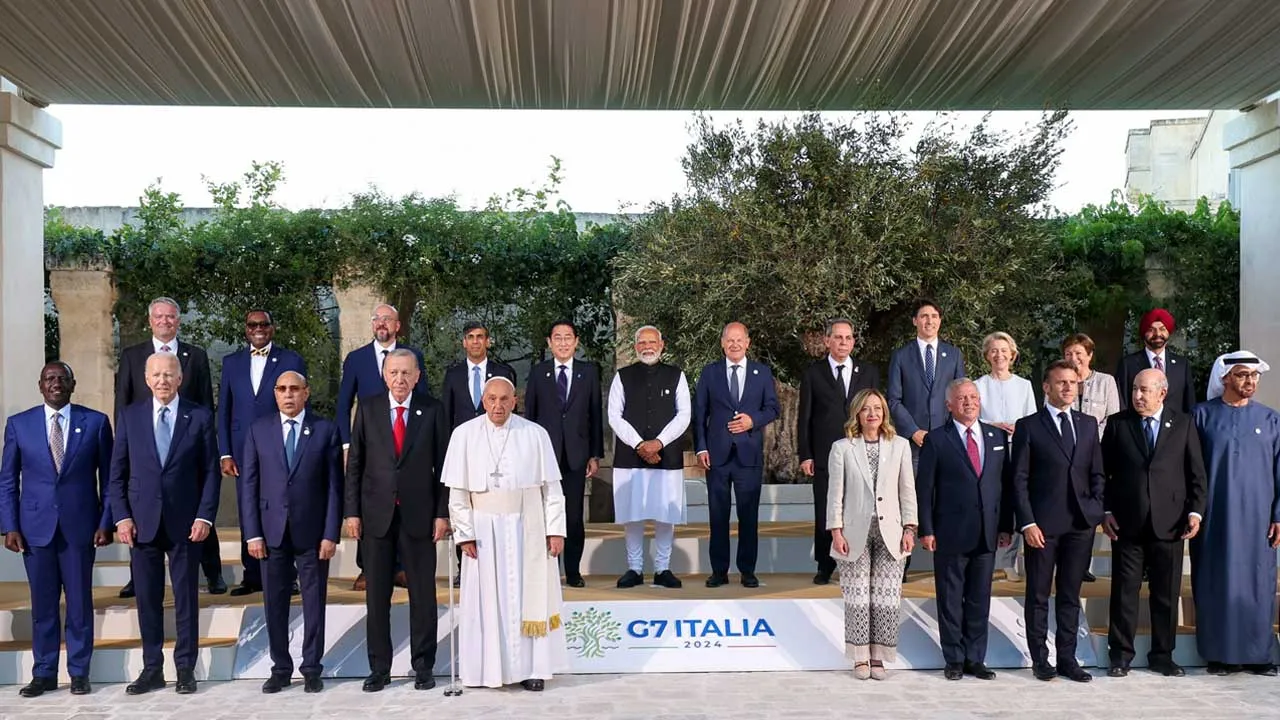
It can be clearly stated that India’s neutrality on the U.S.-Iran issue is not a weakness but a reflection of its mature foreign policy. This approach keeps the nation firmly on its path of economic progress, contributes to global peace, and safeguards humanitarian values. As India advances toward its goal of becoming a developed nation by 2047, such pragmatic and interest-driven foreign policy will be key to achieving success. This approach will also ensure India’s global respect and economic prosperity.
(The writer is a prominent businessman, social worker and founder of khabarchhe.com)
About The Author



.jpg)








.jpg)