

.jpg)
(Utkarsh Patel)
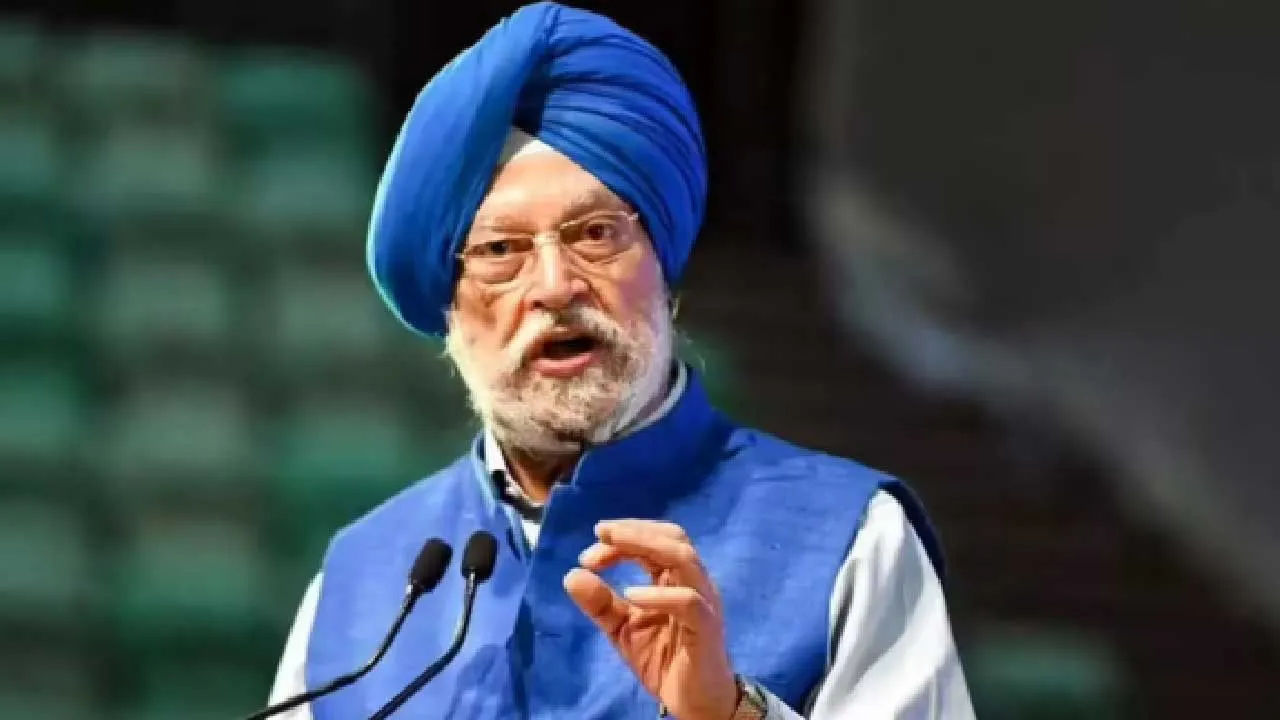
Union Minister for Petroleum and Natural Gas, Hardeep Singh Puri, recently announced that international prices for crude oil and gas have skyrocketed. Oil companies are buying raw materials at high costs, but to protect the general public from the shock of inflation, the government continues to sell petrol, diesel, and other fuels at old rates. Consequently, government oil companies are losing ₹1,000 crore every day. The total loss for this quarter is estimated to reach ₹1,00,000 crore. These figures are not just financial; they are linked to the country’s energy security and economic stability.
In this moment of crisis, Prime Minister Narendra Modi has made an important appeal to the citizens. He stated, "For the progress and self-reliance of our country, we all must work together. Energy conservation is not just an individual responsibility, but a national duty." PM Modi’s appeal is in the national interest. He called upon the public to save fuel at personal and collective levels to reduce the burden of oil imports. India imports more than 85% of its crude oil. In such a situation, rising global prices put pressure on foreign exchange reserves. The PM said, "If we save a little, the country can save a lot."
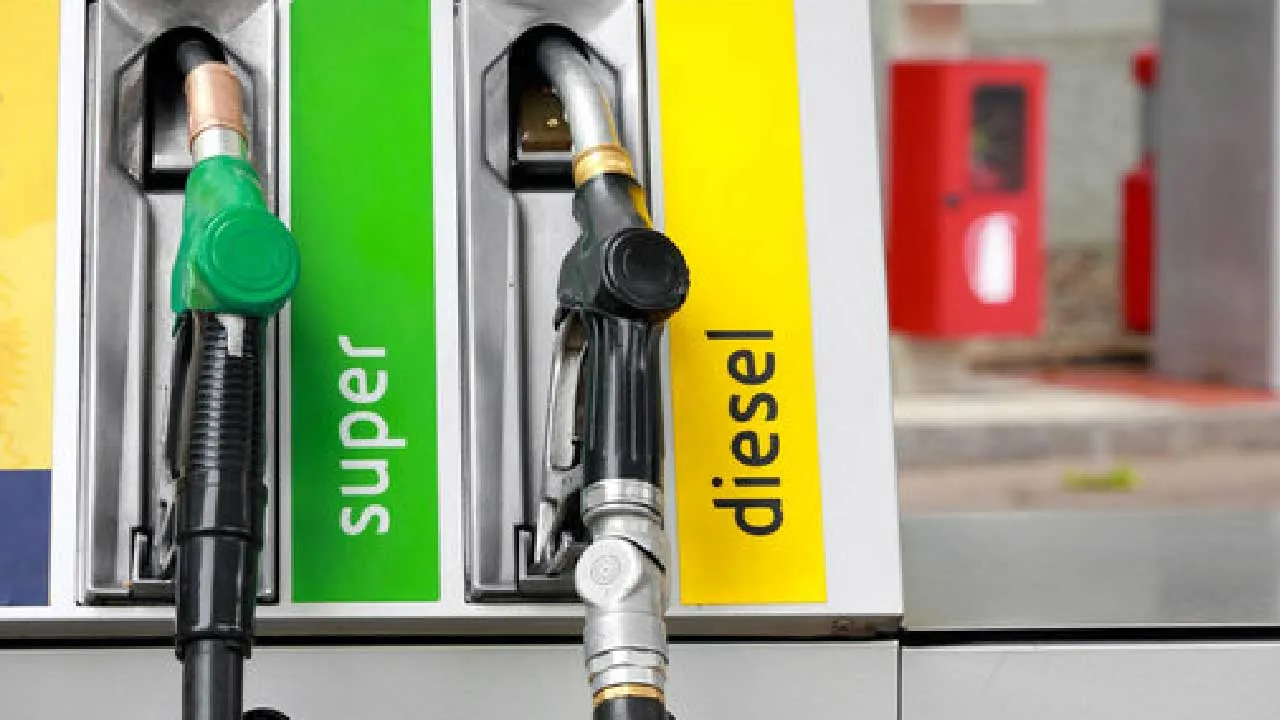
PM Modi’s appeal includes practical suggestions. He requested citizens to turn off vehicle engines at traffic signals, use public transport more often, adopt energy-efficient appliances at home, and expand the use of solar energy. This appeal does not rely on government efforts alone but invites the cooperation of every citizen. Meanwhile, the government has taken various steps to protect oil companies from losses, such as subsidy systems and tax reliefs, but all of this is incomplete without public cooperation.
The importance of this appeal must be understood in the broader context of national interest. Rising oil prices affect not only oil companies but the entire economy, impacting sectors like transport, industry, and agriculture. PM Modi has repeatedly said that self-reliance in the energy sector is necessary to realize the dream of a "Self-Reliant India." For this, along with the development of renewable energy, the efficient use of current resources is essential. With public cooperation, oil imports will decrease, foreign exchange will be saved, and the financial health of oil companies will improve.
There is also an opportunity to turn this crisis into an opening. PM Modi’s appeal specifically calls upon the youth to develop new models of energy conservation through technology and innovation. By expanding biogas and solar plants in rural areas, local self-reliance can be increased. The government is also working in this direction through the Green Hydrogen Mission, promoting electric vehicles, and increasing investment for the modernization of oil companies.
PM Modi’s appeal is a call for collective awareness. While the country faces global uncertainty, every citizen's small contribution can yield big results. Stopping the losses of oil companies is not just an economic issue but a matter of national self-respect and security. We must all accept this appeal and prioritize national interest. If we save a little today, the country will become stronger tomorrow. This is the true form of "Subka Saath, Subka Vikas" (Together with all, Development for all).
(The writer is a prominent businessman, social worker and founder of khabarchhe.com)
About The Author


.jpg)

1.jpg)


.jpg)





5.jpg)

4.jpg)

.jpg)

1.jpg)