

.jpg)
In the 134th edition of Mann Ki Baat, broadcast on May 31, Prime Minister Narendra Modi urged citizens to protect themselves from extreme heat, stay hydrated, and remain cautious during the summer season. He had made similar remarks after a recent Cabinet meeting and had even advised ministers to take precautions against the heat.
The moment the Prime Minister chose to discuss heat waves in Mann Ki Baat, some critics questioned the relevance of such a message. Why would the Prime Minister of a country spend valuable airtime advising people to drink water and avoid heat exposure? What larger purpose does such a message serve?
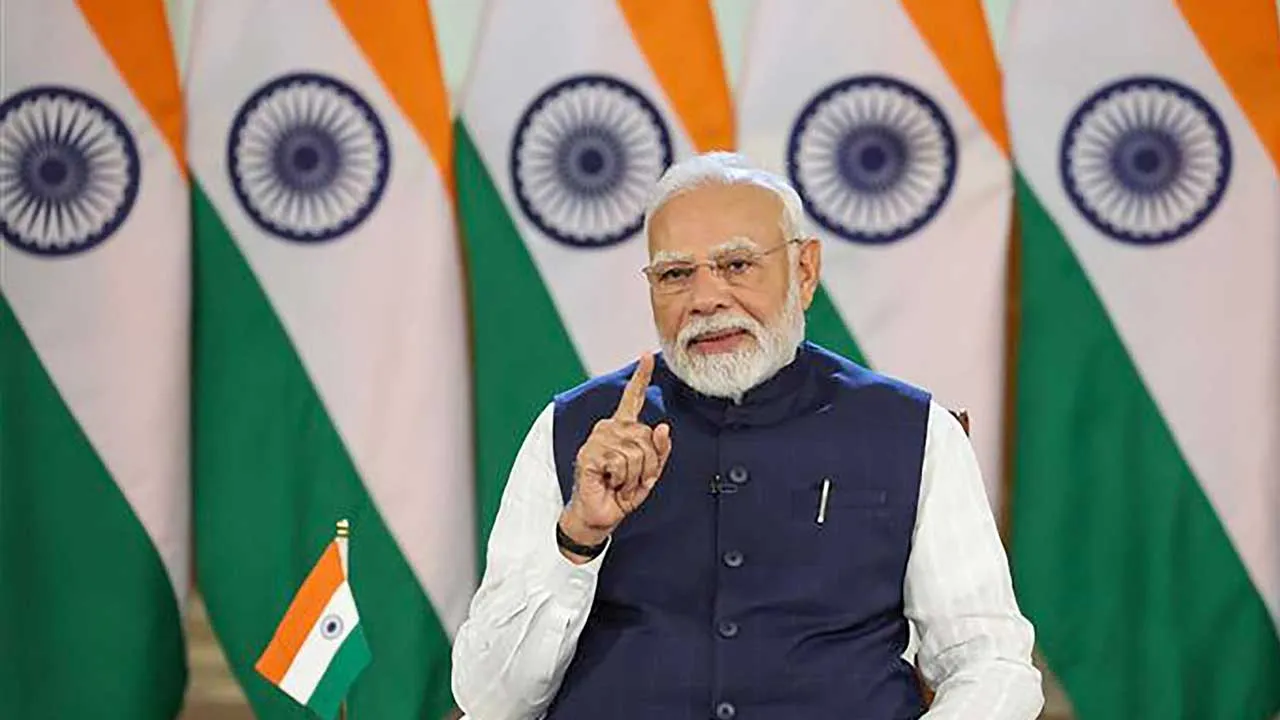
To answer that question, it is important to look at Mann Ki Baat not as a conventional political speech, but as a long-term communication platform. An analysis of the programme over the last year reveals a consistent pattern and a broader agenda.
Prime Minister Narendra Modi appears to use Mann Ki Baat as a tool to shape India's social and national priorities. Rather than announcing government schemes or engaging in political debates, the programme focuses on citizen responsibility, social participation, cultural pride, innovation, and nation-building.
Viewed in this context, the discussion on extreme heat was not merely a weather advisory. The underlying message was that challenges facing the nation cannot be addressed by the government alone. Citizens must also play an active role in responding to issues that affect society. This thinking is closely linked to Modi's recurring theme of “Jan Bhagidari” or people's participation.
Almost every episode of Mann Ki Baat highlights stories of ordinary Indians achieving extraordinary results. Whether it is a village conserving water, a young innovator solving a local problem, a woman leading social change, or an athlete bringing glory to the nation, these stories reinforce one central idea: every citizen has a role in nation-building.
An analysis of the programme over the last twelve months reveals five major messages.
1. Viksit Bharat
The first and most prominent theme is the vision of a developed India. Modi repeatedly conveys that India is progressing not only economically but also socially and culturally towards becoming a leading nation in the world.
2. Jan Bhagidari
The second theme is citizen participation. Development cannot be achieved by government efforts alone. It requires the active involvement of every Indian. Even the recent warning about heat waves reflects this belief that public awareness and collective action are essential.
3. Cultural Confidence
A third recurring theme is cultural self-confidence. Mann Ki Baat frequently discusses India's traditions, festivals, local languages, heritage, and indigenous knowledge. The programme seeks to promote modernization without disconnecting from cultural roots.
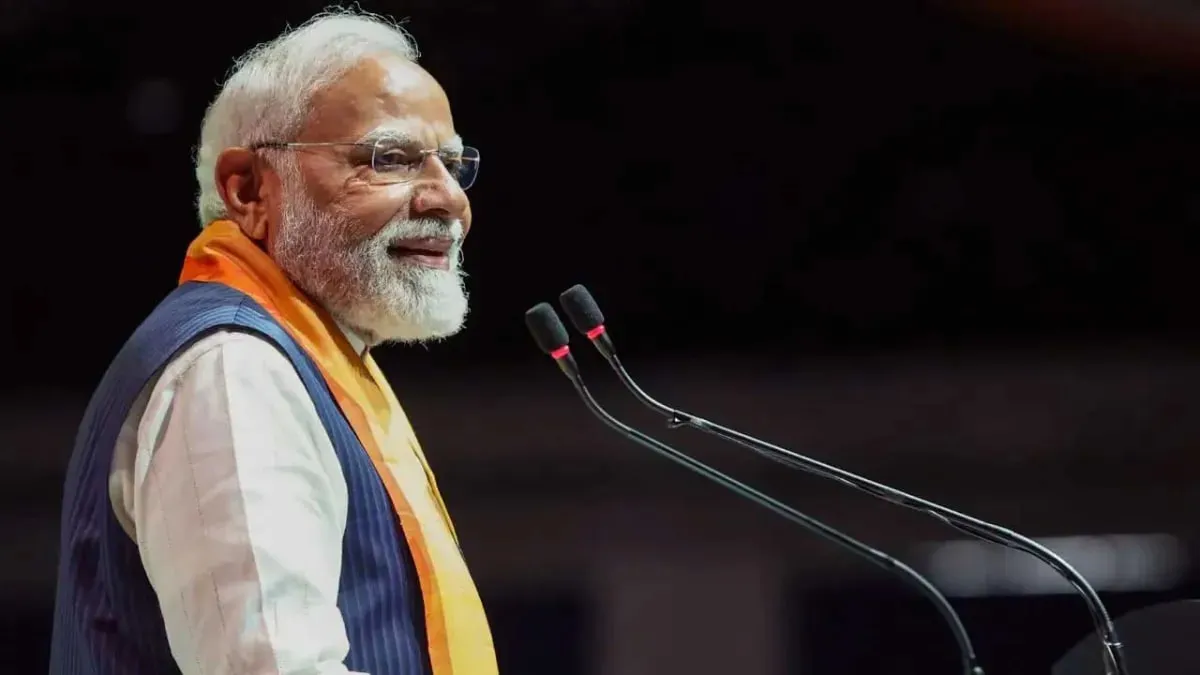
4. Youth and Innovation
The fourth theme is the role of youth in shaping India's future. Startups, young scientists, athletes, entrepreneurs, and innovators regularly feature in the programme. The message is clear: India's future growth will be driven by creativity, innovation, and youthful energy.
5. National Pride
The fifth and perhaps broadest theme is national pride. The programme consistently encourages Indians to have confidence in their country's achievements, capabilities, culture, and global standing.
From a political communication perspective, Mann Ki Baat functions less as a platform for government announcements and more as a mechanism to influence public attitudes, behaviour, and priorities. Direct political attacks and electoral rhetoric are largely absent. Instead, the programme relies on inspirational stories, social campaigns, and positive examples to create a shared national vision.
That is why the topics discussed in Mann Ki Baat change every month, while the underlying message remains remarkably consistent.
About The Author



5.jpg)

4.jpg)

3.jpg)
2.jpg)


1.jpg)



5.jpg)