


5.jpg)
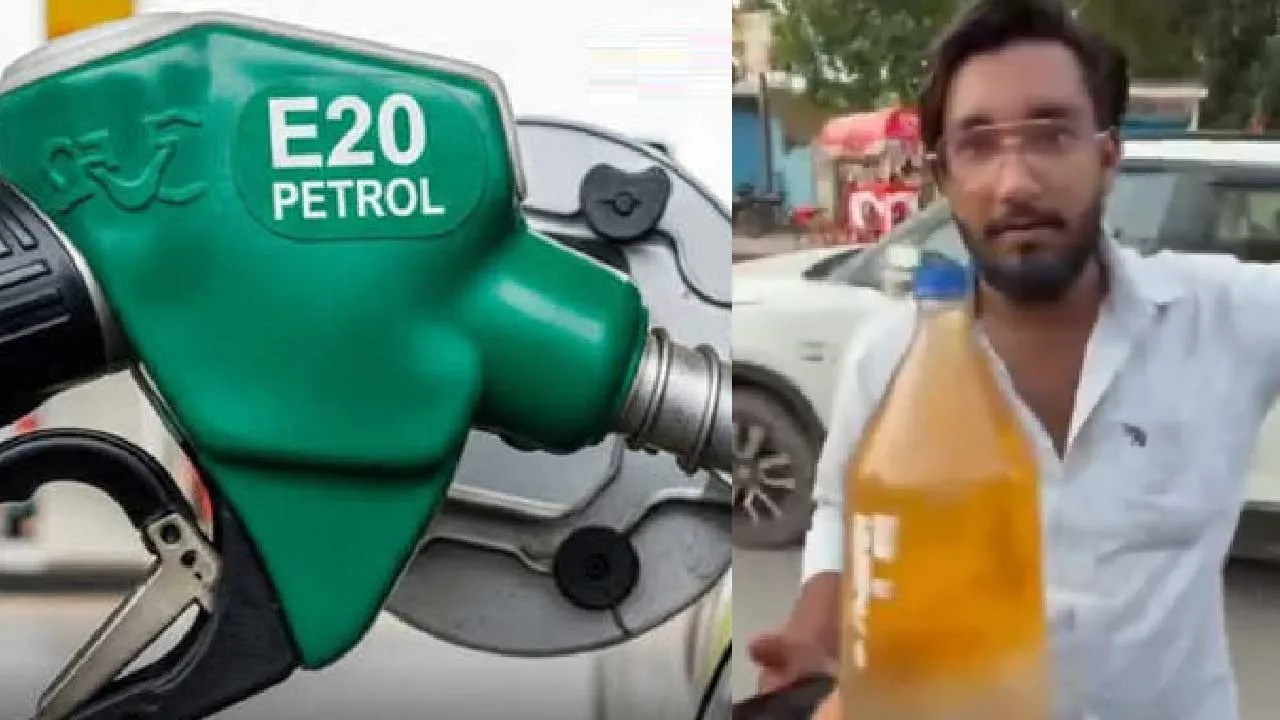
Until now, discussions around E20 fuel (petrol blended with 20% ethanol) have largely focused on its impact on vehicle mileage. However, petrol pump dealers are now raising another concern. They claim that ethanol's hygroscopic nature—the ability to absorb moisture from the air—could increase the risk of water contamination in fuel during the monsoon and in coastal regions. This may affect both fuel quality and vehicle performance. According to a report by The Hindu, petrol pump dealers have recently highlighted this issue.
What is the concern?
Petrol pump dealers say that ethanol present in E20 fuel readily absorbs moisture from the surrounding air. Earlier, pure petrol was used, which does not attract moisture. As a result, underground storage tanks faced relatively fewer issues related to water contamination.
With E20 fuel, however, if moisture enters underground tanks through the vent system or due to humid conditions, ethanol can absorb that moisture. If the water content becomes excessive, phase separation may occur, where the ethanol-water mixture separates from petrol. In such cases, water-contaminated fuel may reach vehicle engines.
11.jpg)
Why is the risk higher during monsoon and in coastal regions?
During the monsoon, Relative Humidity (RH) often exceeds 90%. Weather reports regularly publish RH values to indicate the amount of moisture in the air.
In coastal cities such as Surat, Mumbai and Chennai, humidity remains high throughout the year, not just during the rainy season. As a result, petrol pumps in these regions may face a greater risk of moisture-related fuel contamination year-round.
Possible impact on vehicles
Difficulty in starting the engine
Engine misfiring or jerking
Reduced fuel efficiency
Damage to the fuel pump and injectors
Increased risk of corrosion over time
What are petrol pump dealers saying?
Dealers argue that many underground fuel storage tanks across the country were originally designed for conventional petrol. Not all fuel stations have upgraded moisture-control systems or storage infrastructure suitable for higher ethanol blends such as E20. Therefore, they believe the problem could become more noticeable during the monsoon.
https://twitter.com/Benarasiyaa/status/2077378675964776800
How was moisture managed earlier?
Underground fuel tanks are generally made of steel. Even in the past, small amounts of water could enter tanks due to condensation or humid weather, especially in coastal regions. Oil companies routinely inspected tanks, removed accumulated water, and took measures to prevent corrosion.
However, with ethanol's moisture-absorbing properties, experts believe there is a possibility that more water could accumulate in fuel than before. This could also increase the risk of corrosion in storage tanks. The issue requires further scientific study and appropriate technical solutions.
Advice for vehicle owners
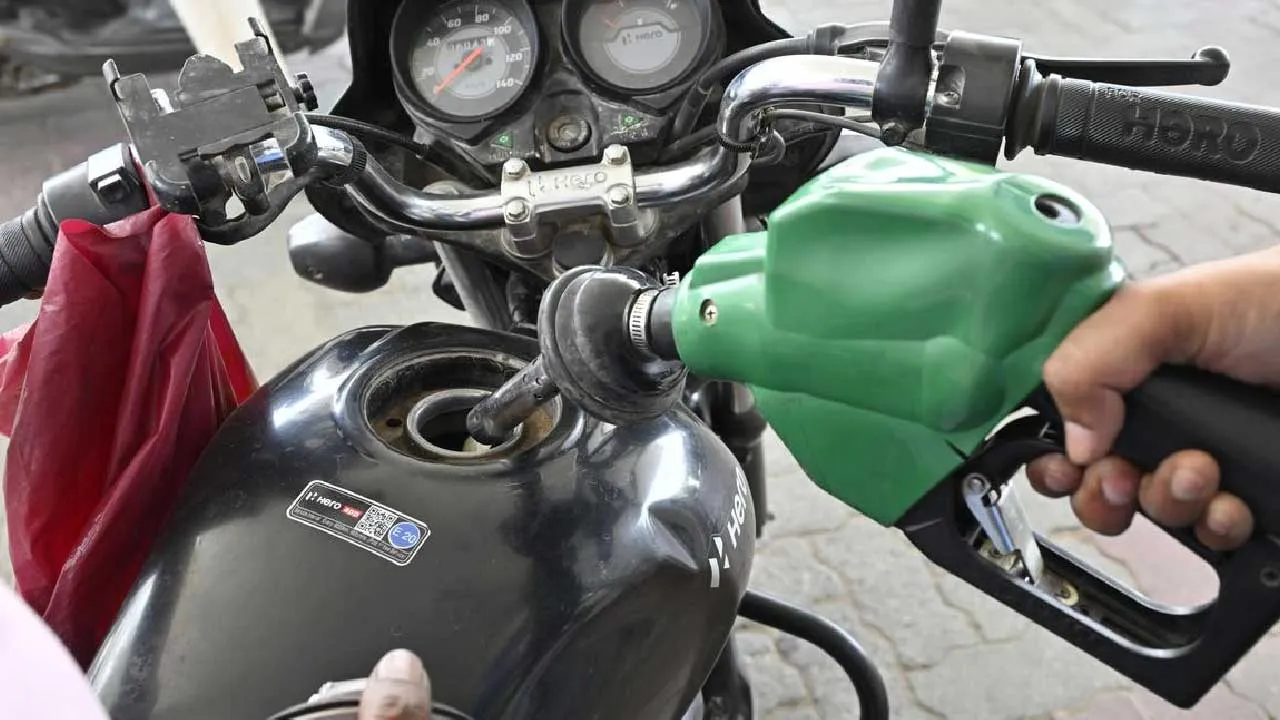
Refuel only at trusted petrol pumps with high fuel turnover.
If you notice sudden engine starting issues, jerks, or reduced mileage, get your vehicle inspected immediately.
Follow the E20 fuel guidelines issued by your vehicle manufacturer.
About The Author




.jpg)

1.jpg)


.jpg)





5.jpg)



.jpg)