


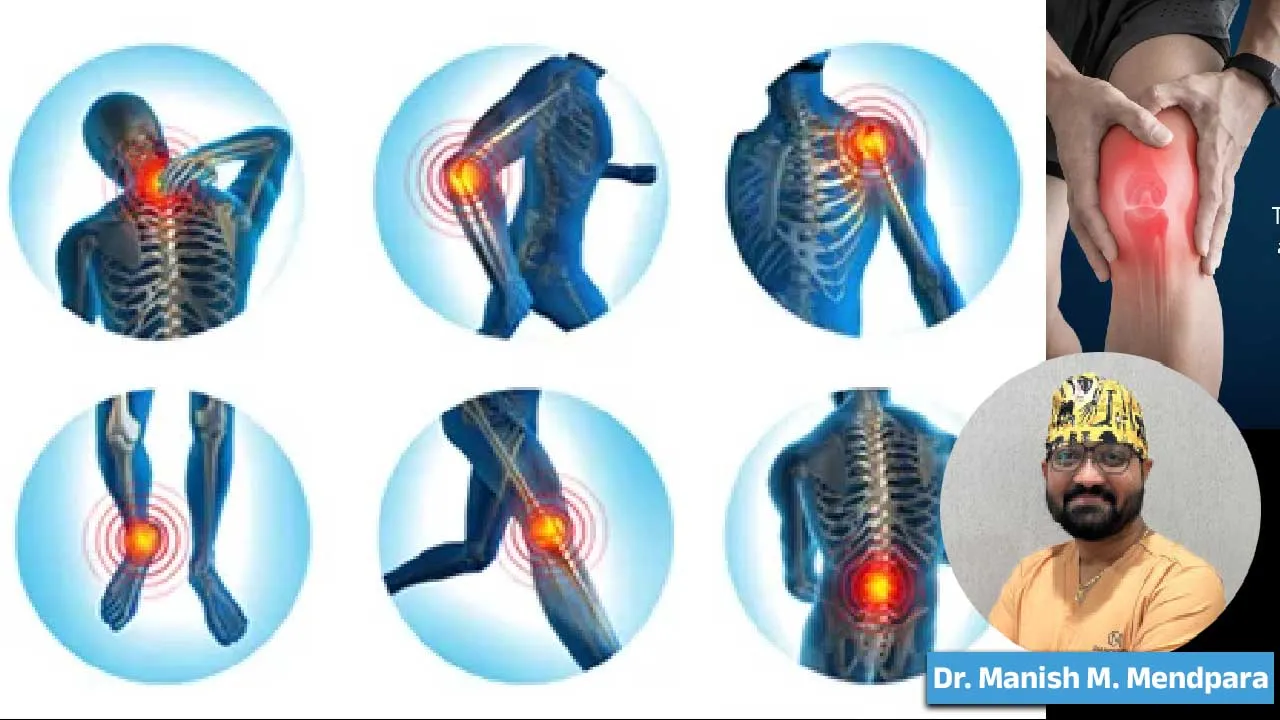
As soon as the monsoon arrives, many people come to us with the exact same complaint: "Doctor, ever since the rains started, my knee pain has worsened," "My entire body aches," or "I have unbearable lower back pain." Elders, arthritis patients, and individuals with old injuries are particularly troubled by this pain.
Now the question is, is there really a connection between rain and joint pain? The answer is yes—but the reason is not just the rain itself, but the changes in the weather.

The Scientific Reasons Behind Pain in the Monsoon
1. Drop in Atmospheric Pressure
During the monsoon season, the atmospheric pressure (air pressure) drops. This drop affects the muscles and tissues surrounding our body's joints. When the external pressure decreases, the tissues around the joints can swell slightly, leading to increased pain and stiffness.
2. Muscle Stiffness Due to Increased Humidity
In the monsoon, humidity levels in the air rise significantly above normal. This increased moisture causes stiffness in the muscles and ligaments. Consequently, joints feel much stiffer upon waking up in the morning or after sitting in one position for a long time.
3. Cold Weather and Reduced Physical Activity
Due to the rainy weather, people tend to stay indoors. Walking, exercising, and regular physical activities decrease relatively. As a result, muscles weaken and joints become stiffer, making this another major cause of pain.
4. Impact on Old Injuries
People who have previously suffered a fracture, torn a ligament, or undergone joint surgery experience more pain than usual in those specific areas during the monsoon. Changes in the weather make old injury sites much more sensitive.
Who Is Affected the Most?
- Patients with knee osteoarthritis
- People suffering from lower back pain
- Patients with neck pain
- Individuals above 50 years of age
- People dealing with obesity
- Individuals with diabetes or Vitamin D deficiency
- Patients who have had past injuries or orthopedic surgeries
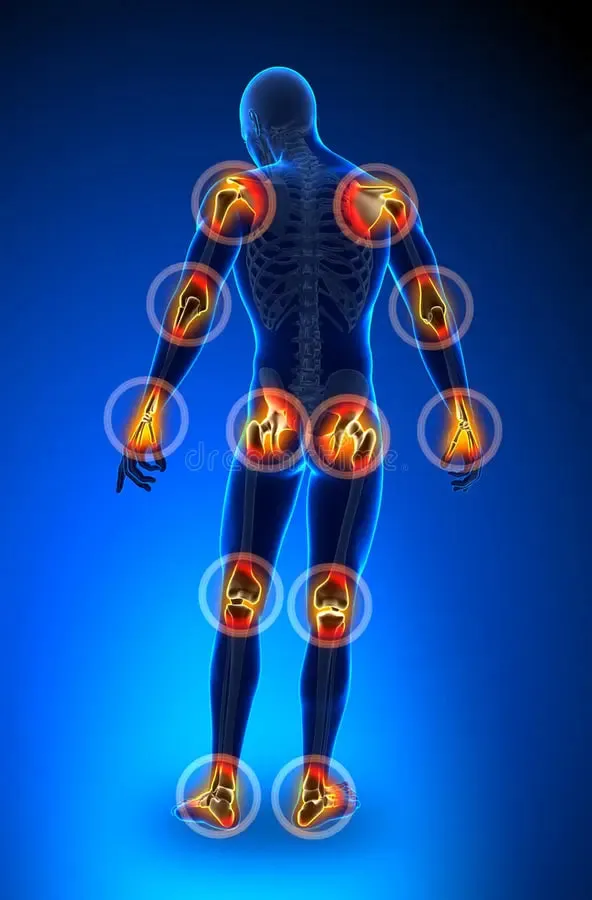
What Should You Do?
First, Let's Clear a Misconception
Many people believe that increased pain during the monsoon means their bones are deteriorating. In reality, this is not the case for everyone. Most of the time, weather changes simply amplify the symptoms of pre-existing conditions. With proper evaluation, timely treatment, and regular exercise, this discomfort can be managed effectively.
1. Exercise Lightly Every Day
Simple exercises for the knees, lower back, and shoulders help strengthen the muscles.
2. Avoid Sitting in One Place for Long Periods
Take a short walk or stretch your body every 30 to 40 minutes.
3. Keep Your Body Warm
If needed, you can use a heating pad or hot water bag for hot fomentation.
4. Manage Your Weight
Excess weight puts direct pressure on the knee and lower back joints.
5. Maintain a Balanced Diet
Consume food rich in protein, calcium, and Vitamin D. Drinking an adequate amount of water is equally essential.
6. Stay Active Indoors
It doesn't matter if you cannot go outside due to the rain; continue walking, stretching, or practicing yoga at home.

When to Consult a Doctor?
Seek immediate advice from an orthopedic surgeon if you notice any of the following symptoms:
- Severe swelling in the joints
- Redness and warmth around the joint area
- Difficulty in walking
- Intense pain that does not subside even with standard medication
- Joint pain accompanied by fever
In Conclusion
Monsoon is nature's most beautiful season, but if proper care is not taken, it can turn into a season of joint aches. Do not ignore the pain, avoid self-medicating with painkillers, and consult an orthopedic specialist when necessary. With the right lifestyle, regular exercise, and timely medical care, you can enjoy the monsoon while keeping your joints healthy.
About The Author



2.jpg)



.jpg)




.jpg)





2.jpg)