

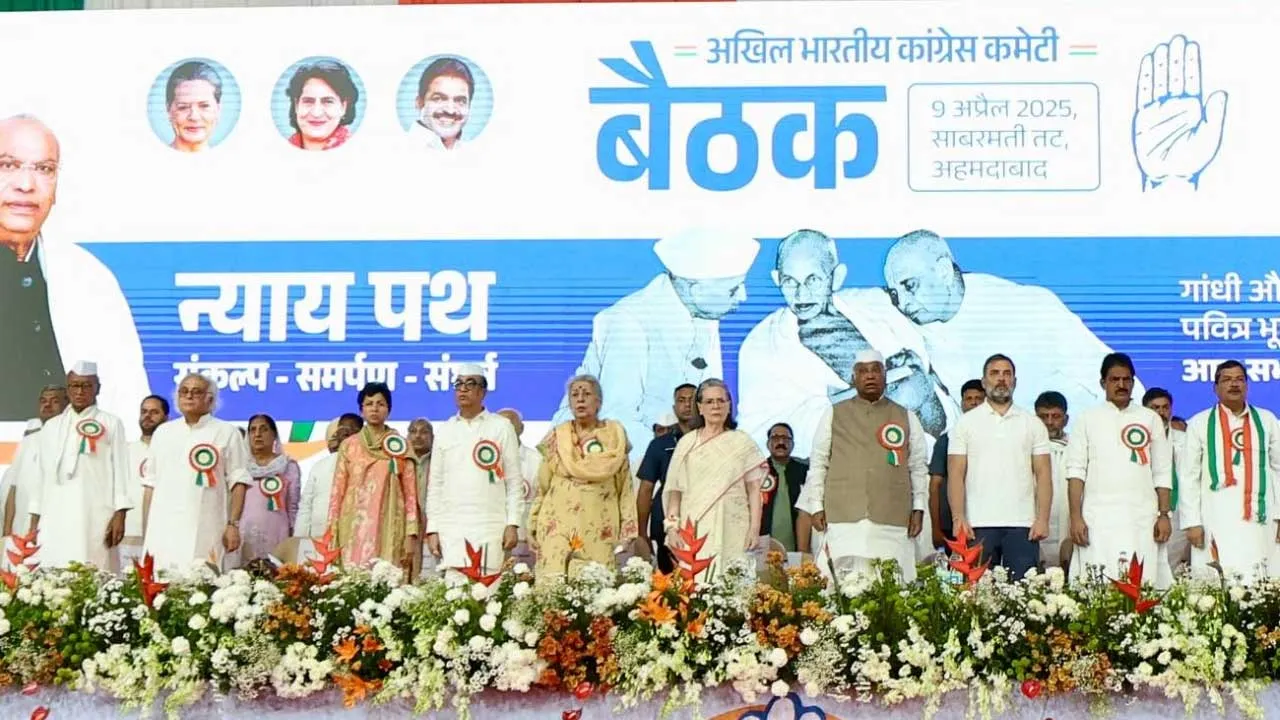
Gujarat's political scene has always been unique compared to other states in India. On one hand, the Bharatiya Janata Party (BJP) has maintained its strong presence in the state for decades. On the other hand, the Congress party has been struggling to win the trust of the people for last 30 years. But why is this the case? Is it because Congress has failed to understand the emotions and expectations of Gujarat’s citizens? Or is it because BJP’s strong organizational strategy and leadership have pushed Congress to the back foot? To understand this political competition between the two parties, we need to look deeper.
BJP’s Dominance in Gujarat
One of the main reasons for BJP’s success in Gujarat is its strong organizational structure. BJP workers reach out directly to people across villages and cities. This constant connection helps the party stay in touch with public sentiment. Under the leadership of Narendra Modi, Gujarat experienced a new phase of development. Many people credit BJP’s policies and its dedicated workers for this growth.
During his time as Chief Minister, Narendra Modi gave Gujarat the title of “Vibrant Gujarat,” which is still remembered today. Young people who grew up during his rule associate BJP with development and progress. The party has largely met these expectations, which is reflected in its repeated election wins.
Additionally, the BJP government has implemented welfare schemes aimed at improving people’s lives — from poverty reduction to better healthcare, education, and infrastructure. The central government under Narendra Modi has also provided strong support to the state. All these efforts show that BJP has understood the emotions and needs of Gujarat’s people and has built its strategy accordingly.
Why Congress Has Struggled in Gujarat
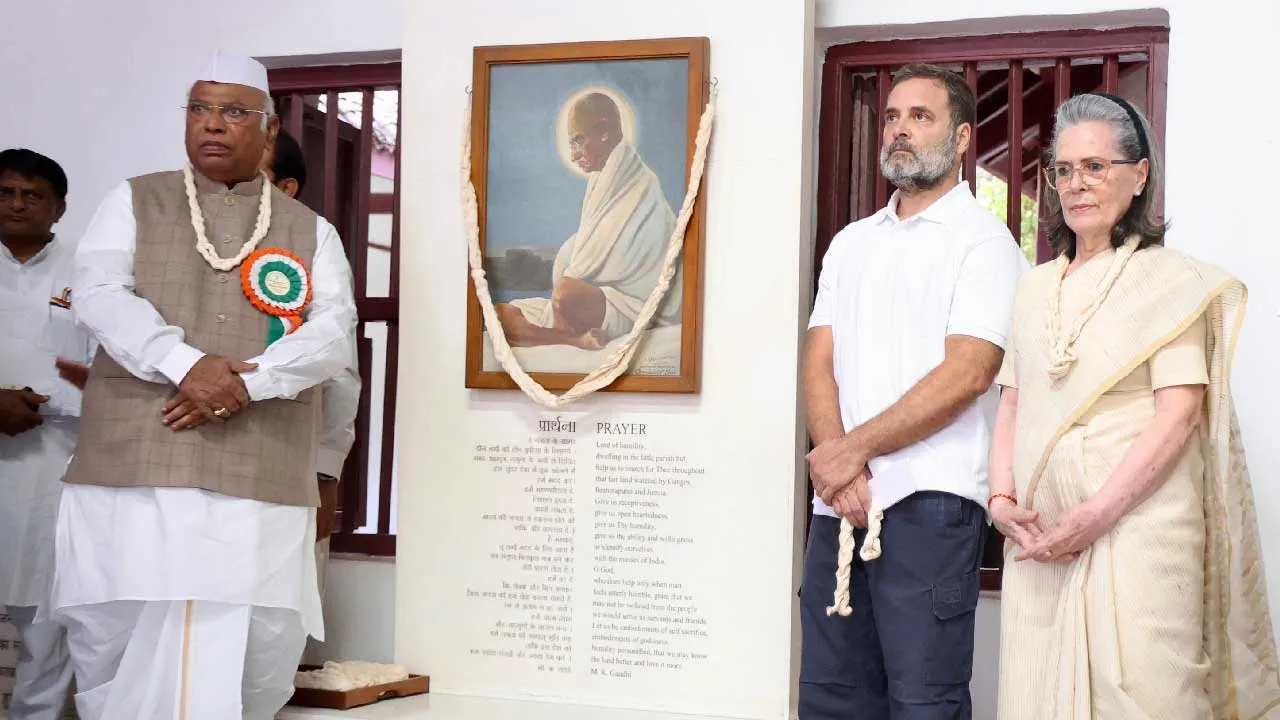
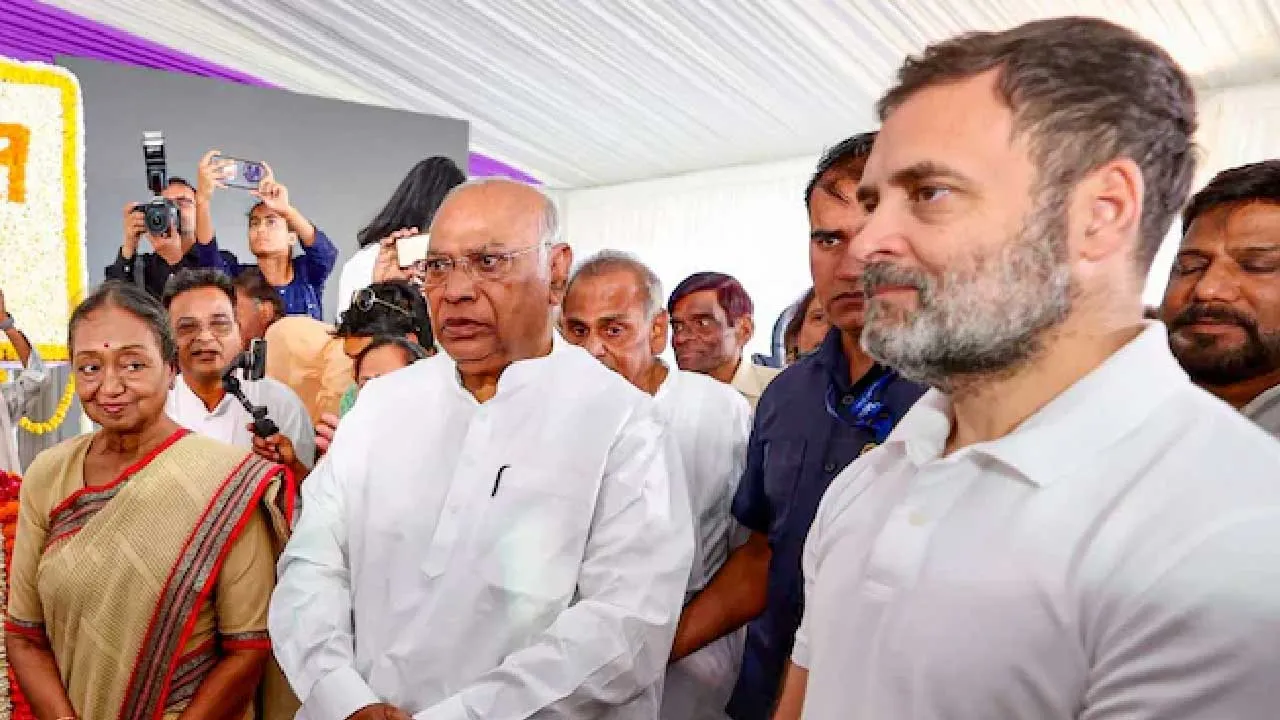
Congress has not been able to regain its past glory in Gujarat. Once a strong player in the state, the party now suffers from a lack of strong leadership and clear vision. Gujarat’s youth are mostly unaware or uninterested in Congress’s policies, as the party has not made significant efforts to connect with them. Compared to BJP, Congress’s organization is weak, and its workers have not been able to effectively reach the people.
Another major weakness is that Congress has not been able to present a leader who can win the trust of the people. Against strong figures like Narendra Modi, Anandiben Patel, and Amit Shah, Congress lacks an equally impactful face. Also, its policies and election promises often don’t align well with Gujarat’s local needs. As a result, many people feel that Congress is disconnected from their emotions and expectations.
What Lies Ahead?
So, can Congress regain its place in Gujarat? It’s not an easy question to answer. If Congress wants to improve its standing, it needs to build a strong organization at the local level and promote leaders who can connect with the people. It must focus on a development-driven agenda that appeals especially to the youth and offer a clear alternative to BJP’s successes.
At the same time, the path ahead for BJP is not without challenges. After Narendra Modi’s leadership, the state is now testing its new leaders. The growing expectations of the people must be met, and their trust must be maintained. If BJP fails to meet these challenges, Congress might get an opportunity — but only if it makes deep changes in its strategy.
In Conclusion...
Gujarat’s political future depends heavily on how both parties perform. BJP has earned the public’s trust through its strong organization and development focus, while Congress has lagged behind in these areas. However, in politics, nothing is permanent. The party that understands the emotions and needs of Gujarat’s people and shapes its strategy accordingly will move ahead. In the end, the real power lies in the hands of the people of Gujarat.
About The Author






5.jpg)

4.jpg)

3.jpg)
2.jpg)