


(Utkarsh Patel)
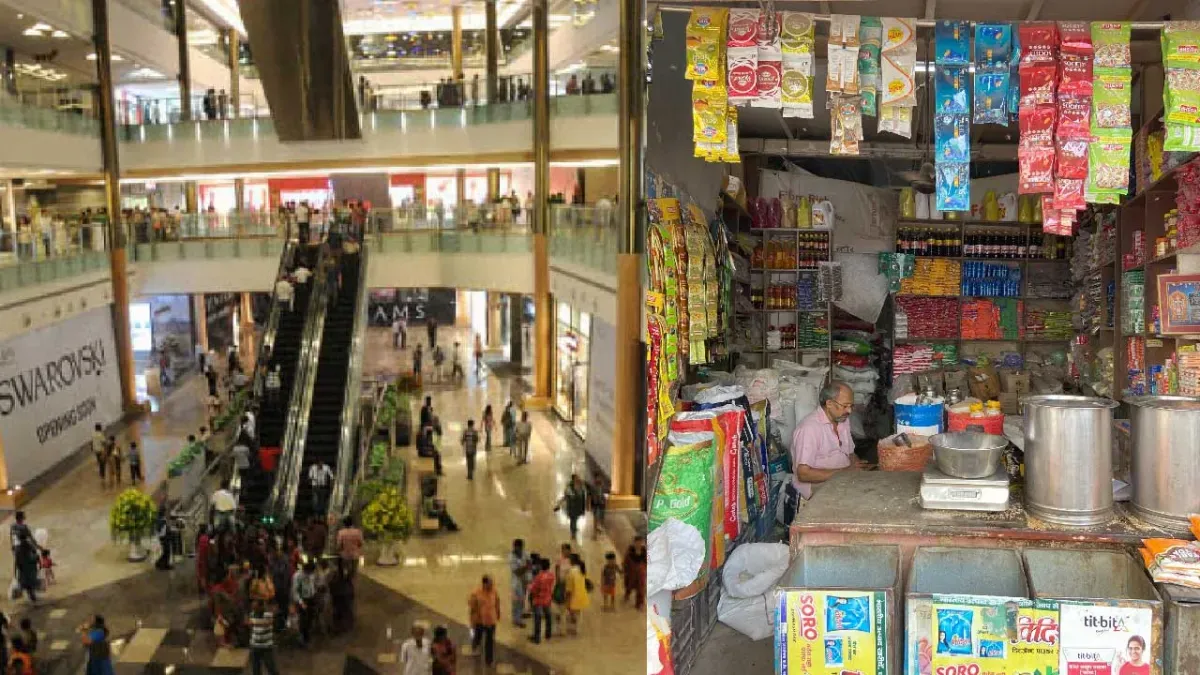
In today’s fast-paced time,everyone is running behind convenience and speed, malls and large shopping centers have become part of our lives. Shiny stores, everything available under one roof, and the promise of modern amenities have led us to leave behind our local kirana (grocery) stores. But have we ever stopped and think about how this mall culture is impacting our culture, economy, and society? In this article, we will explore the importance of local kirana stores and the damage caused by mall culture.
Importance of Local Kirana Stores
kirana stores are an integral part of our life. From villages to cities, these small shops play a crucial role in meeting our daily things. They are not just places of trade but also hubs of social connection. When we visit a local store, we form a personal and trustworthy relationship with the shopowner.They understand our needs, often offer credit during emergencies, and even advise us based on our budget.
These stores strengthen the local economy. When we shop from a local store, our money goes directly into the pockets of small local shopkeeper. This helps them sustain their livelihood and creates employment in the vicinity. For instance, a kirana shop owner supports family, educates children, and often purchases products from local artisans or farmers, thereby economically supporting them too. In this way, local shops keep a vital economic cycle alive — one that is essential for the foundation of our society.
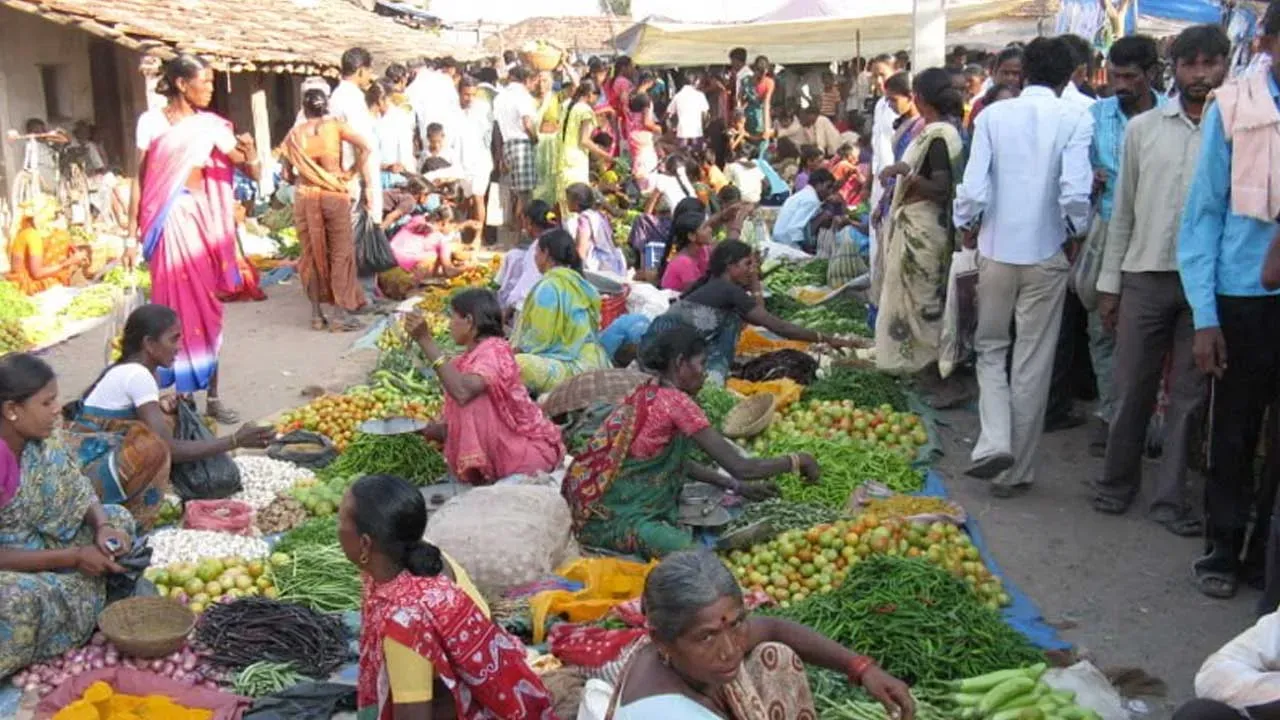
Additionally, items sold at local stores are often fresher and locally produced. Especially in villages, farmers sell vegetables, grains, or milk to these stores, ensuring customers get fresh products while also reducing environmental damage. Compared to the plastic-heavy packaged goods in malls, local stores use far less plastic — making them more eco-friendly.
The Damage from Mall Culture
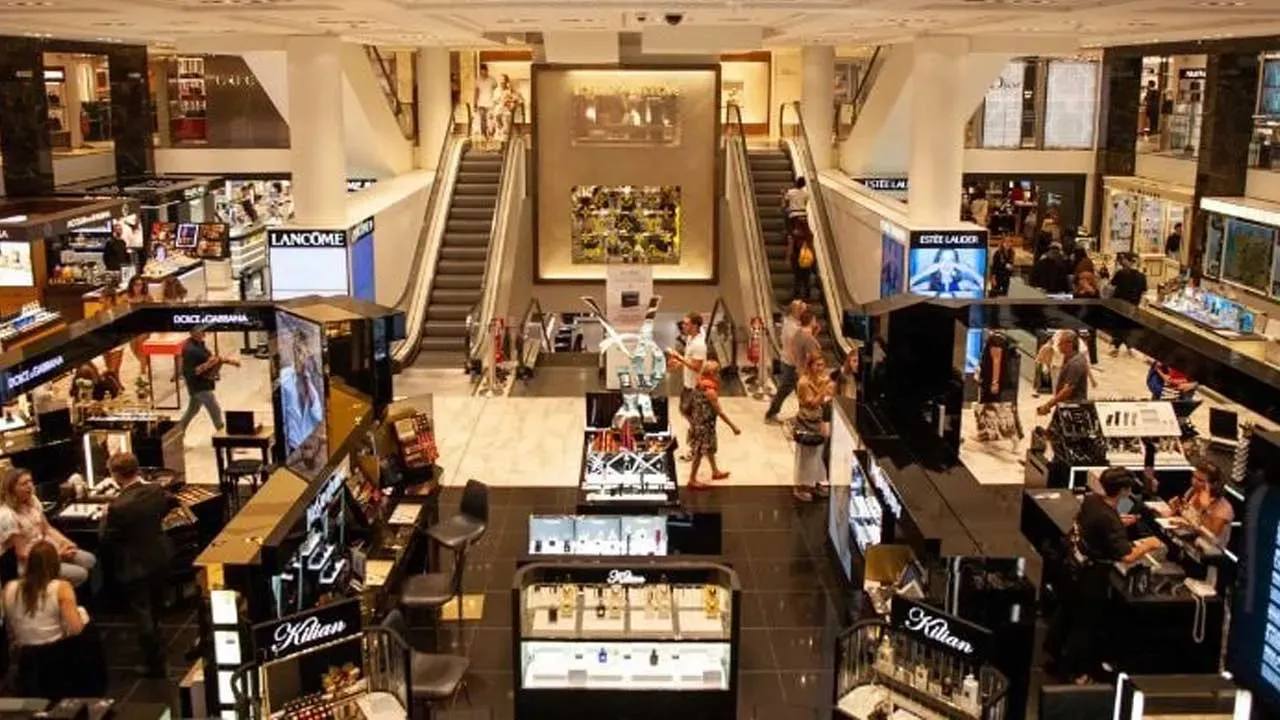
On the other hand, mall culture has deeply changed our society, bringing along many negative consequences. The first major problem is that malls and large supermarkets are mostly run by international companies. When we shop there, our money flows out of the local economy and into the hands of multinational giants. This directly affects the livelihood of small traders and often forces them to shut the shops.
Mall shopping also encourages unnecessary purchasing. Attractive offers, discounts, and glamorous displays tempt us to buy things we don’t actually need. This disrupts our budget and adds financial pressure. In contrast, local shopkeepers often help us avoid overspending by focusing on what’s truly necessary.
Another major drawback of mall culture is its environmental impact. Most products in malls are packaged in plastic, contributing to environmental pollution. Additionally, items are often transported over long distances, increasing fuel consumption and carbon emissions. Local stores, by comparison, stock items sourced nearby, reducing environmental strain.
Socially, mall culture weakens our personal connections. At local shops, we engage in conversation and build bonds. In contrast, malls are increasingly automated, minimizing human interaction. Even children are drawn to the glitz of malls but often miss learning the value of real relationships.
What Should be done?
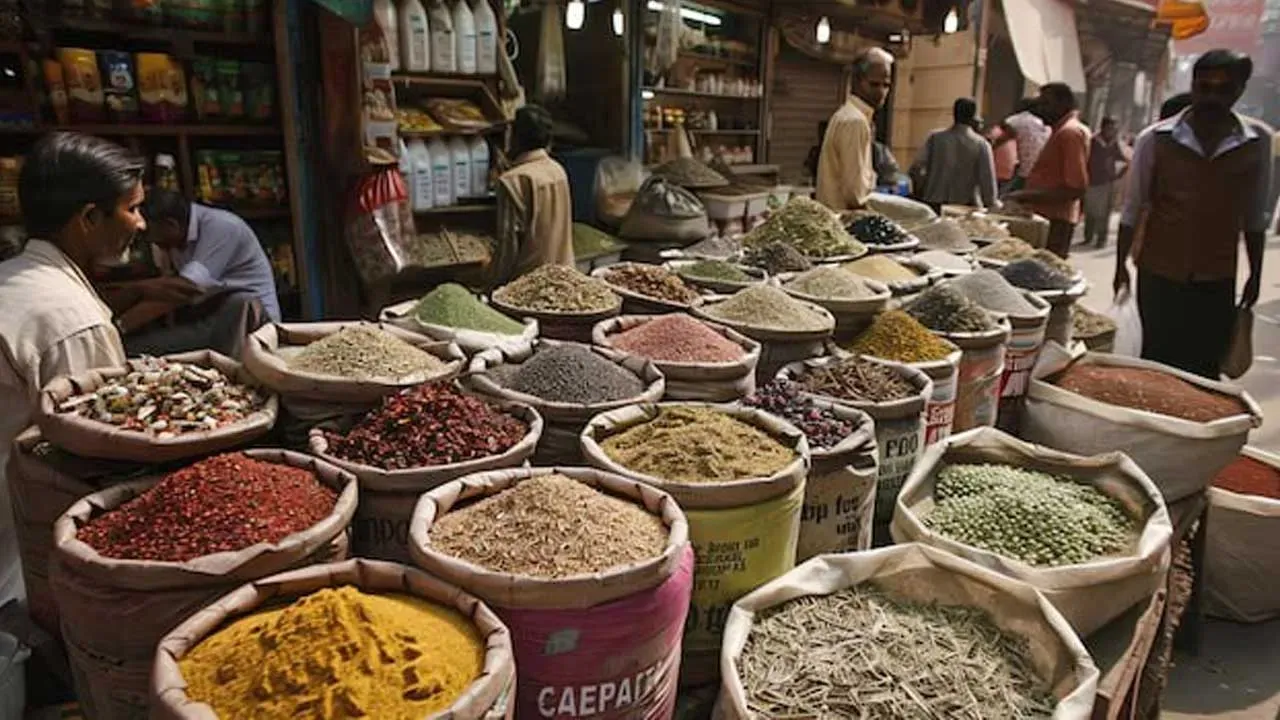
We must encourage and support local kirana stores. The government should create policies and schemes that uplift small traders competing with big malls. As consumers, we should prioritize shopping at local stores so our money remains within our community. To protect the environment, we should reduce our use of plastic and promote local products.
Mall culture may offer convenience, but it also brings hidden costs. Local kirana stores protect our culture, economy, and environment. So let’s step away from the dazzling world of malls — at least once in a while — and turn towards our neighborhood stores. This small step will strengthen our society and safeguard our future.
(The author is a renowned entrepreneur and social worker. The views expressed in the article are their personal opinions.)
About The Author



5.jpg)

4.jpg)

3.jpg)
2.jpg)




1.jpg)




5.jpg)