


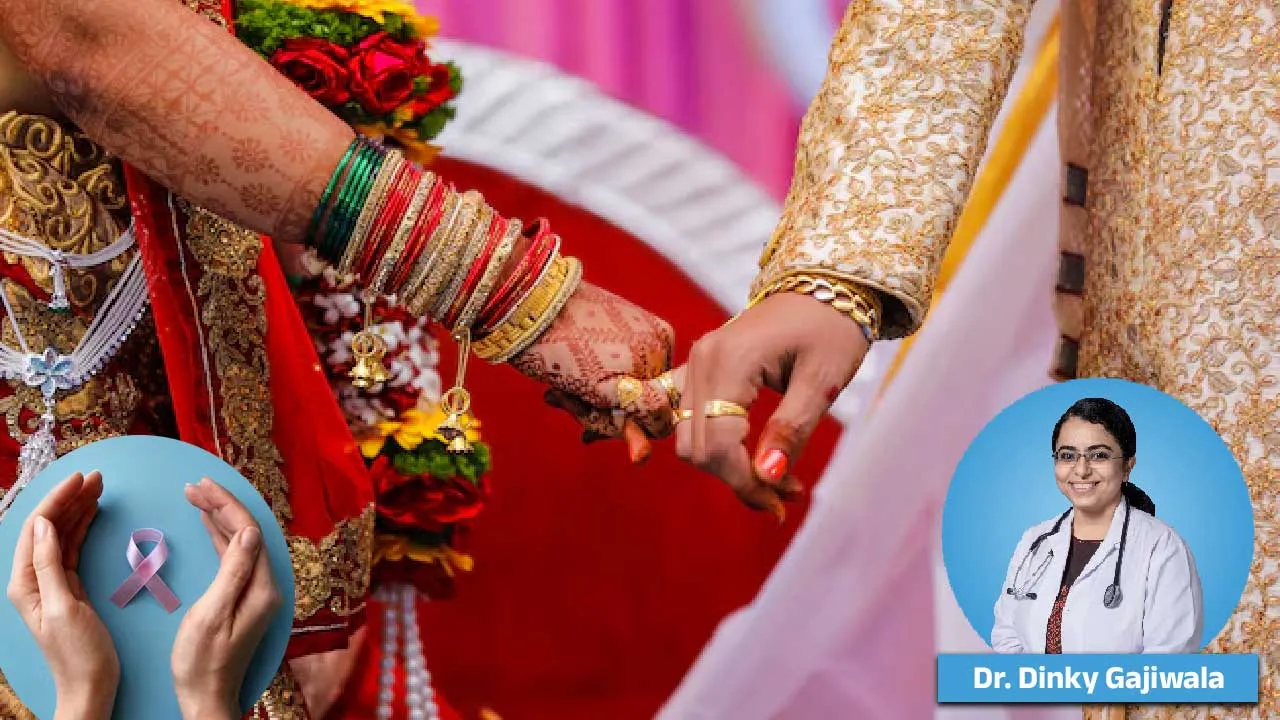
A recent international study has sparked widespread discussion after researchers from the University of Miami reported that unmarried individuals may have a higher risk of developing cancer compared to married people. The study was published in the scientific journal Cancer Research Communications.
After reading such headlines, many people naturally wonder: Can marriage really protect someone from cancer?
As a cancer specialist, it is important to understand this finding from a scientific perspective.
What Did the Research Find?
Researchers analyzed more than four million cancer cases recorded across 12 U.S. states between 2015 and 2022. They examined whether there was any relationship between a person's marital status and the likelihood of being diagnosed with cancer.
The study found that cancer incidence was approximately 68% higher among unmarried men and about 85% higher among unmarried women compared to their married counterparts. Certain types of cancer also appeared to be more common among unmarried individuals.
So, Does Marriage Prevent Cancer?
The simple answer is no.
The study does not prove that getting married prevents cancer. In scientific terms, the research shows an association, not causation. In other words, a link was observed between marital status and cancer incidence, but this does not mean that marriage itself is the reason for the difference.
Why Might Married People Show Lower Cancer Risk?
Several factors could help explain the findings.
1. Social and Emotional Support
Long-term emotional support plays a major role in overall health. A spouse may notice unusual symptoms or physical changes earlier, encouraging timely medical consultation and diagnosis.
2. Regular Health Check-Ups
Married individuals are often more likely to undergo routine health screenings and medical check-ups. Early detection significantly improves treatment outcomes for many cancers.
3. Healthier Lifestyle Habits
Some studies suggest that married people may be less likely to engage in risky behaviors such as smoking, excessive alcohol consumption, or other unhealthy lifestyle practices.
4. Better Stress Management
Chronic stress can negatively affect overall health and immune function. Strong personal relationships and family support can help individuals cope with stress more effectively.
5. Childbirth and Breastfeeding
For women, pregnancy and breastfeeding have been associated with a reduced risk of certain types of breast cancer. However, this benefit is linked to biological factors rather than marital status itself.

Should Unmarried People Be Concerned?
Absolutely not.
Cancer risk depends far more on lifestyle choices, environmental exposures, genetic factors, and preventive healthcare than on whether someone is married or unmarried.
Some of the most important cancer risk factors remain:
Tobacco use and smoking
Excessive alcohol consumption
Obesity
Physical inactivity
Unhealthy diet
Viral infections such as HPV and Hepatitis
Family history of cancer
Failure to undergo recommended screening tests
Managing these factors can significantly reduce cancer risk.
A Cancer Expert's Perspective
The real message of this research is not that people should get married to avoid cancer.Instead, the study highlights the importance of social connections, emotional support, healthy living, and regular medical screening. Whether you are married or unmarried, the most effective weapons against cancer remain the same: awareness, preventive care, timely screening, and a healthy lifestyle.Make your health a priority. Schedule regular check-ups. Do not ignore unusual symptoms.In the fight against cancer, early detection remains the greatest victory.
About The Author

2.jpg)



.jpg)




.jpg)





2.jpg)