


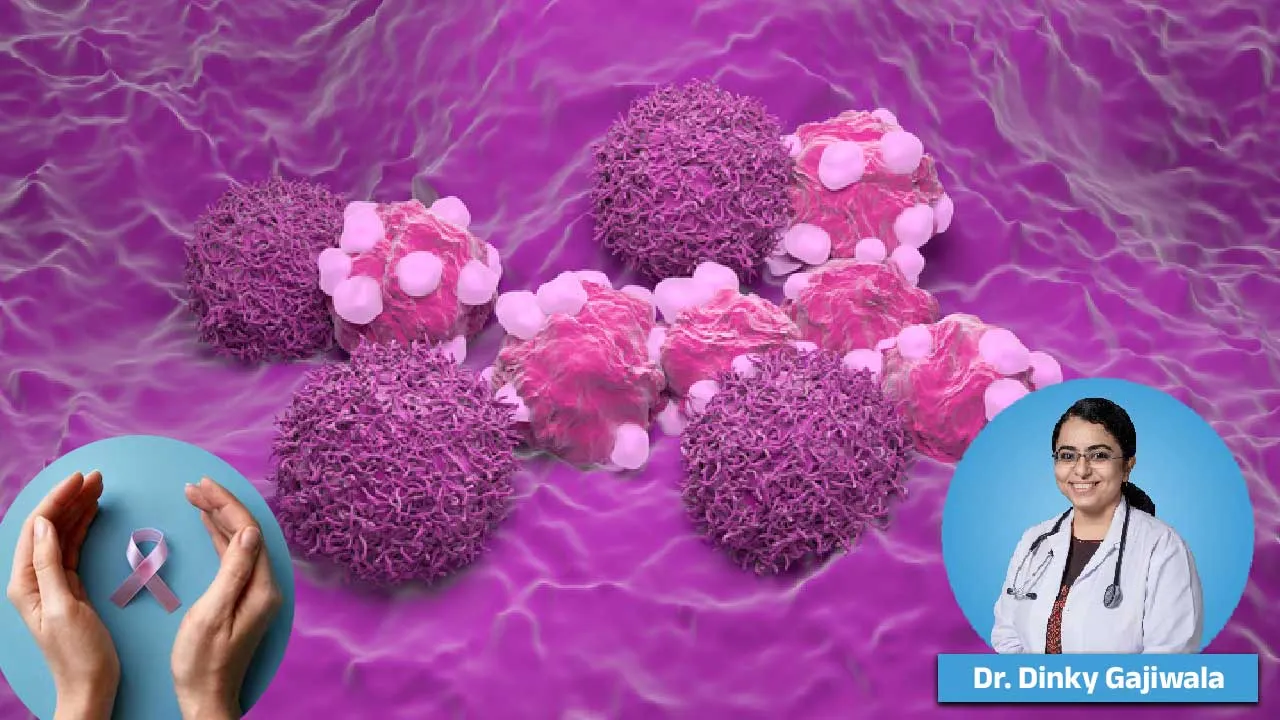
Indian scientists have achieved a significant breakthrough in breast cancer research by developing an advanced nanomedicine capable of selectively targeting breast cancer cells while minimizing damage to healthy tissues.
The innovation comes from researchers at the Agharkar Research Institute (ARI), Pune, an autonomous institute under the Department of Science and Technology (DST), Government of India. The findings have been published in the internationally reputed scientific journal Advanced Healthcare Materials.
How does the technology work?
The researchers have developed a "MUC1-Targeted Silica Nanocarrier", a specialized nanomedicine designed to identify MUC1, a protein that is highly expressed on the surface of breast cancer cells.
1.jpg)
Once inside the cancer cell, the nanocarrier suppresses two critical genes—MCL-1 and Survivin—which are responsible for the survival and rapid growth of cancer cells. By blocking these genes, the treatment triggers the gradual destruction of the cancer cells.
Contribution of Indian researchers
The research team includes Niladri Halder, Rajkumar Samanta, Surajit Patra, Devyani Sengar, Sachin Jadhav, and Virendra Gajbhiye, among others.
According to the scientists, this technology could be particularly effective against aggressive forms of breast cancer and may pave the way for more precise and personalized cancer therapies in the future.
Human clinical trials are still awaited
The nanomedicine has shown promising results during pre-clinical studies, including laboratory experiments and animal models. However, human clinical trials have not yet begun.
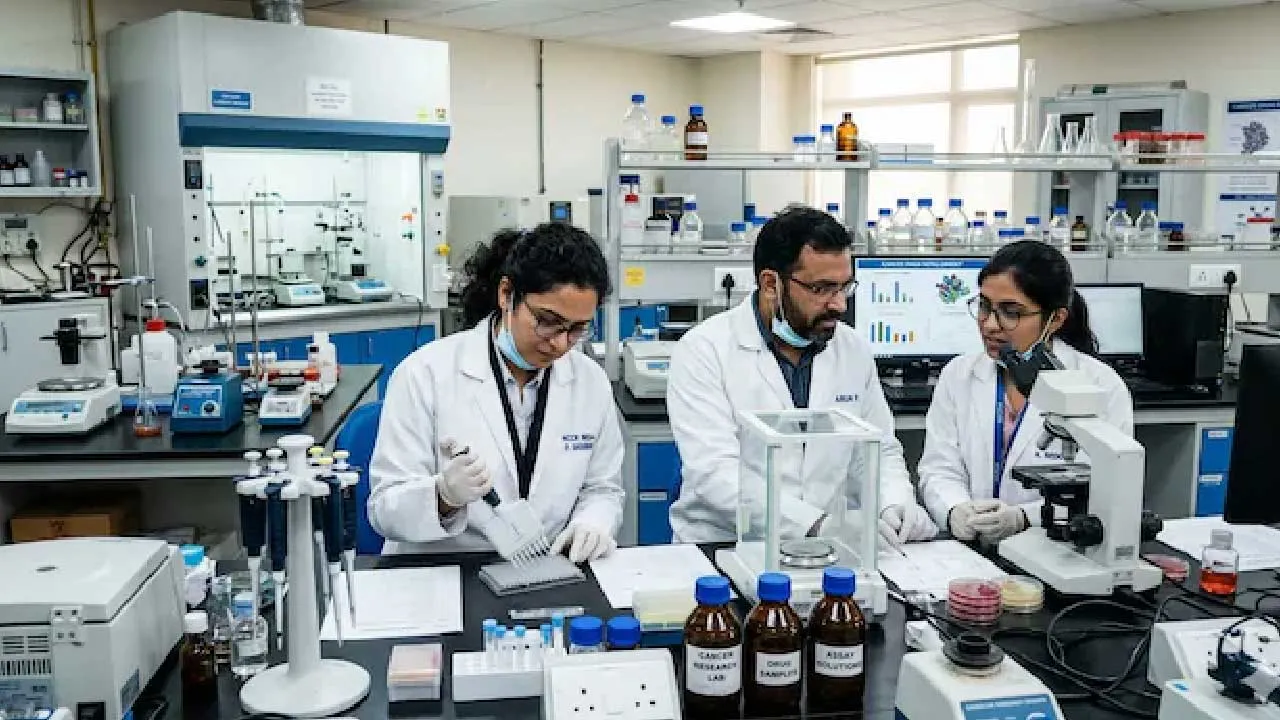
Experts believe that if future clinical trials demonstrate similar success, this innovation could transform breast cancer treatment worldwide.
Potential to reduce chemotherapy-related side effects
Conventional chemotherapy often damages healthy cells along with cancer cells, leading to side effects such as hair loss, fatigue, nausea, and vomiting.
In contrast, the newly developed nanomedicine is designed to target only cancer cells, raising hopes for a treatment that is more effective, safer, and associated with significantly fewer side effects.
Researchers believe this breakthrough represents an important milestone for India's biomedical and cancer research ecosystem and has the potential to make a meaningful global impact on breast cancer therapy.
About The Author



.jpg)

1.jpg)


.jpg)





5.jpg)


.jpg)